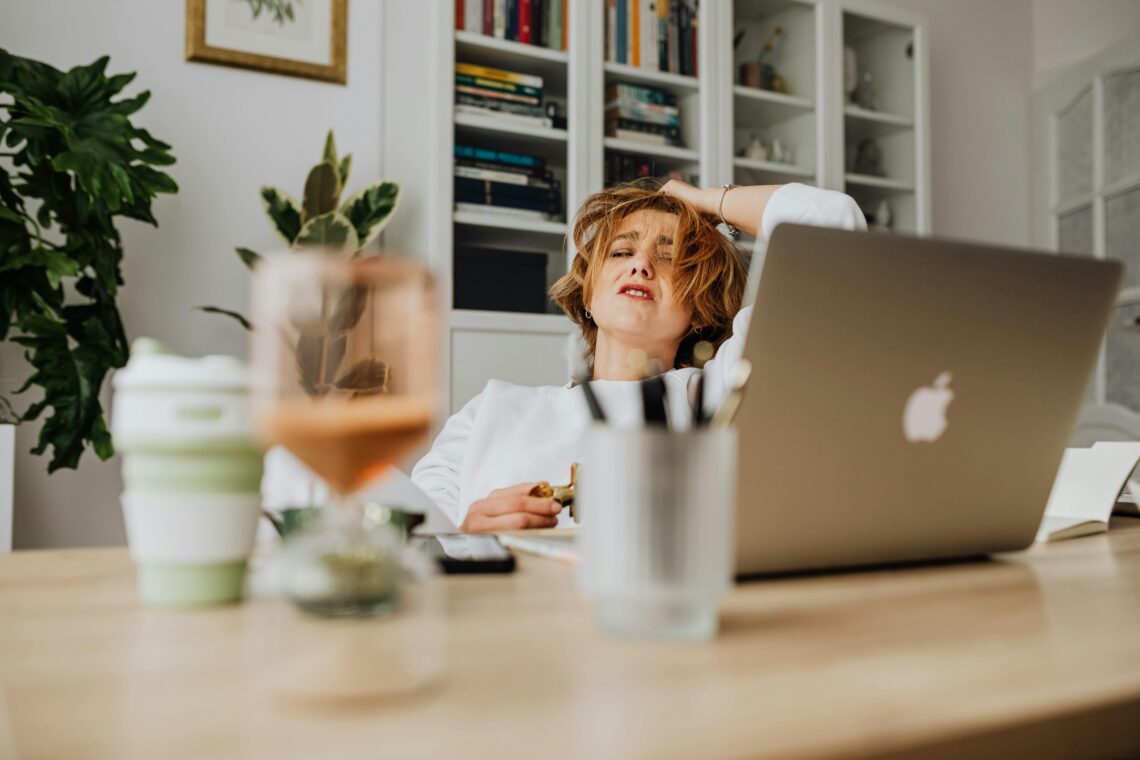
In today’s fast-moving world, stress has become a common part of daily life. Constant notifications, demanding work schedules, financial pressure, social expectations, and digital overload can leave people mentally exhausted and emotionally drained. As stress levels continue to rise globally, more individuals are searching for healthier ways to create balance and peace in their lives.
This growing need has led to the concept of anti-stress lifestyle design—a mindful approach to organizing daily routines, environments, habits, and wellness practices to reduce stress and improve overall well-being.
An anti-stress lifestyle is not about avoiding responsibilities or escaping modern life. Instead, it focuses on designing routines and spaces that support calmness, productivity, emotional stability, and healthier living.
At Echoscibes, we focus on lifestyle innovation and wellness ideas that improve everyday life. In this detailed guide, we will explore the meaning of anti-stress lifestyle design, its benefits, practical strategies, wellness habits, home organization tips, mental health practices, and future trends in stress-free living.
What Is Anti-Stress Lifestyle Design?
Anti-stress lifestyle design is the intentional process of creating habits, environments, and routines that reduce physical and emotional stress.
It combines:
- Wellness practices
- Healthy routines
- Mindful living
- Organized spaces
- Emotional balance
- Digital wellness
- Time management
The goal is to create a lifestyle that supports calmness, focus, and sustainable mental health.
Rather than reacting to stress constantly, anti-stress living encourages prevention and balance.
Why Stress Management Is Important
Stress affects both physical and mental health.
Long-term stress can contribute to:
- Anxiety
- Sleep disorders
- High blood pressure
- Fatigue
- Burnout
- Depression
- Poor concentration
Modern lifestyles often keep people in a constant “fight or flight” state.
Anti-stress lifestyle design helps calm the nervous system and improve quality of life.
Benefits of an Anti-Stress Lifestyle
Creating a low-stress lifestyle offers many long-term benefits.
1. Improved Mental Health
Stress reduction supports emotional well-being.
Benefits include:
- Better mood
- Reduced anxiety
- Improved emotional control
- Greater mental clarity
2. Better Physical Health

Stress impacts the body in many ways.
Lower stress levels may improve:
- Sleep quality
- Heart health
- Digestion
- Immune function
3. Increased Productivity
A calm mind works more efficiently.
Anti-stress routines improve focus, creativity, and decision-making.
4. Healthier Relationships
Reduced stress improves communication and patience.
This creates healthier personal and professional relationships.
5. Better Life Balance
Lifestyle design encourages balance between:
- Work
- Rest
- Social life
- Personal wellness
Balanced living improves overall happiness.
Key Principles of Anti-Stress Lifestyle Design
Stress-free living requires intentional habits and systems.
Mindful Daily Routines
Daily structure reduces mental overload.
Helpful Routine Habits
- Morning planning
- Regular meal times
- Evening relaxation rituals
- Consistent sleep schedules
Predictable routines create stability.
Simplified Living
Too much clutter and complexity increase stress.
Minimalist living encourages:
- Fewer distractions
- Cleaner spaces
- Better organization
Simplification creates mental calmness.
Digital Balance
Technology can increase stress when overused.
Digital Wellness Tips
- Reduce unnecessary notifications
- Limit screen time
- Take social media breaks
- Avoid screens before sleep
Digital balance improves focus and emotional health.
Healthy Work-Life Boundaries
Constant work pressure contributes to burnout.
Important Boundaries
- Separate work and personal time
- Take regular breaks
- Avoid overworking
- Prioritize rest
Balanced schedules improve productivity and recovery.
Designing a Stress-Free Home Environment
Home environment strongly affects mental wellness.
Clean and Organized Spaces
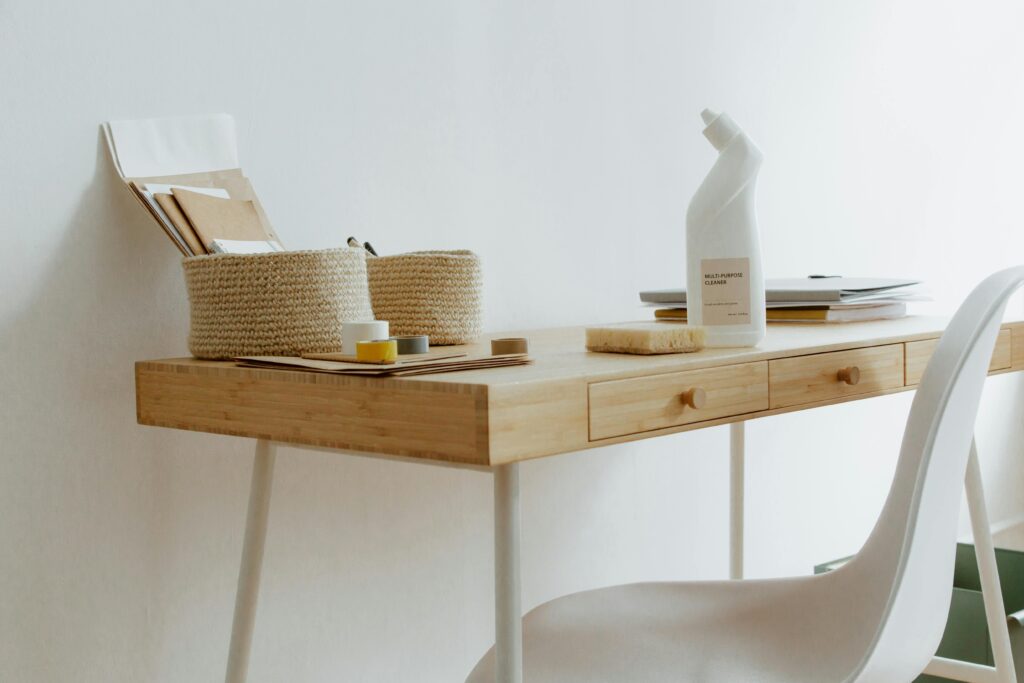
Clutter often creates mental stress.
Organization Tips
- Declutter regularly
- Use storage systems
- Keep spaces tidy
Clean spaces promote relaxation.
Natural Lighting and Fresh Air
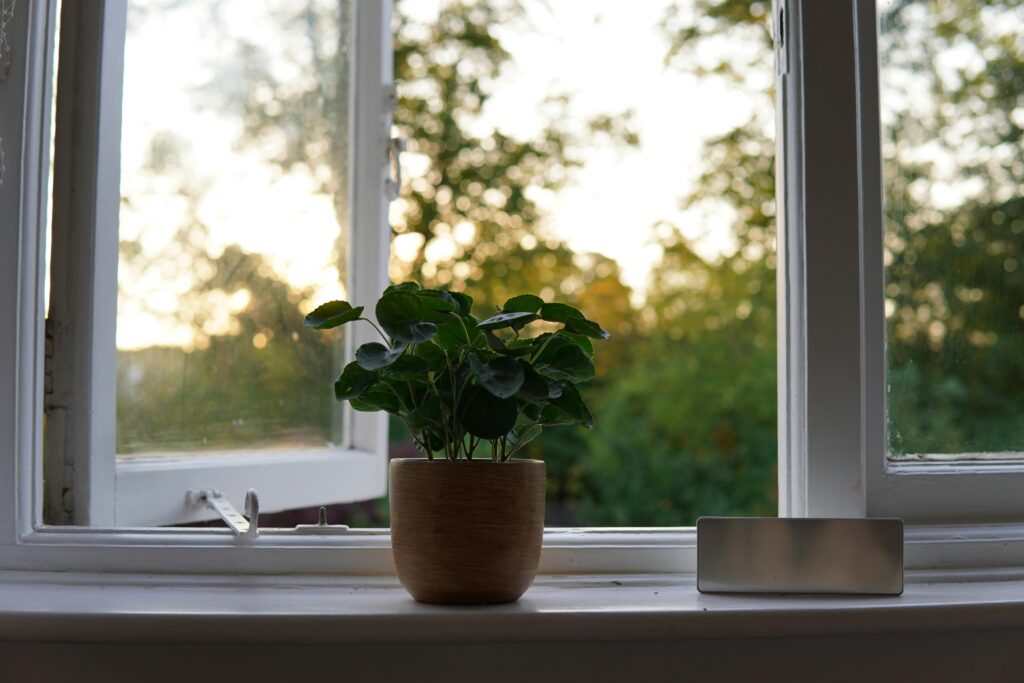
Natural environments support emotional wellness.
Benefits
- Improved mood
- Better energy levels
- Reduced mental fatigue
Open windows and natural light improve home atmosphere.
Calming Colors and Decor
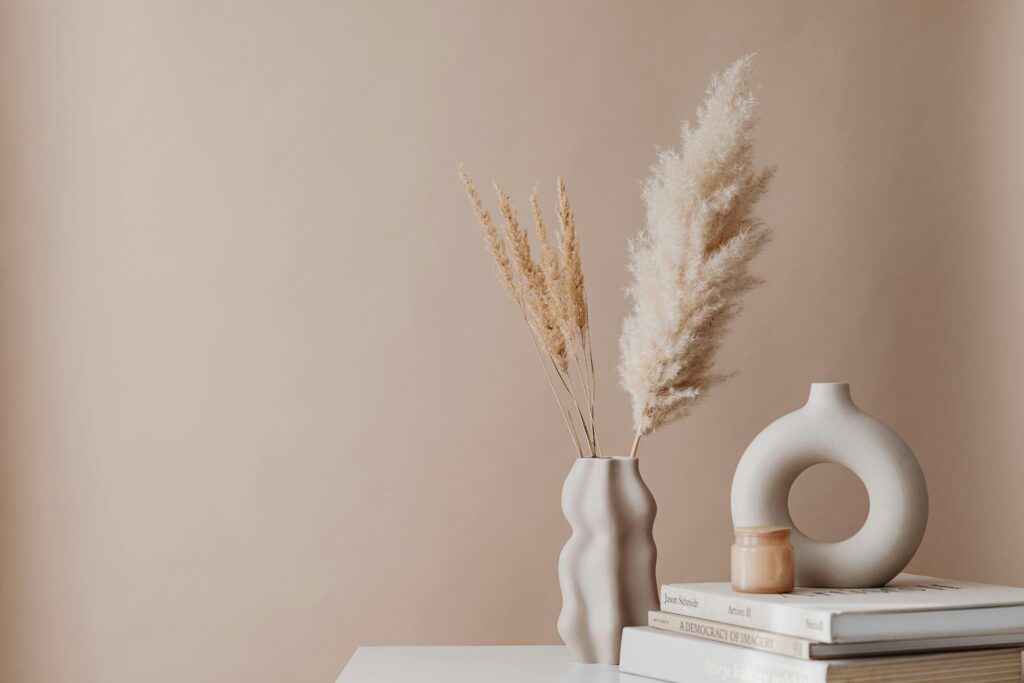
Interior design affects emotions.
Relaxing Color Choices
- Soft blue
- Beige
- White
- Earth tones
Simple and calming decor supports peaceful living.
Adding Nature Indoors
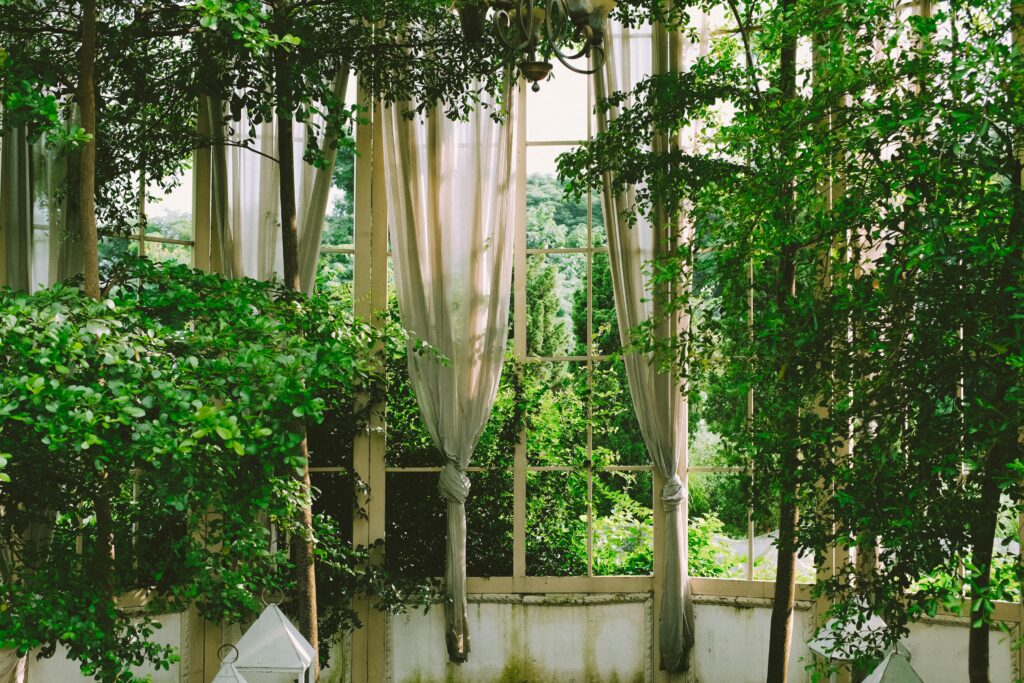
Plants improve both air quality and mood.
Popular Indoor Plants
- Snake plants
- Peace lilies
- Aloe vera
Natural elements create relaxing environments.
Wellness Habits for an Anti-Stress Lifestyle
Healthy habits help regulate stress levels.
Regular Physical Activity
Exercise is one of the best natural stress relievers.
Helpful Activities
- Walking
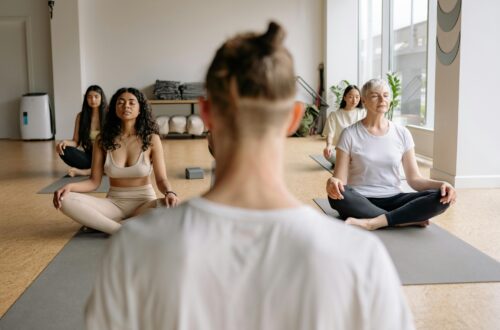
- Yoga
- Stretching
- Swimming
Movement improves mental and physical health.
Relaxation and Breathing Techniques
Controlled breathing calms the nervous system.
Popular Methods
- Deep breathing
- Meditation
- Progressive muscle relaxation
Even short sessions can reduce tension.
Healthy Nutrition
Diet affects energy and emotional balance.
Stress-Reducing Foods
- Fruits
- Vegetables
- Whole grains
- Nuts and seeds
Balanced nutrition supports wellness.
Quality Sleep
Sleep is essential for recovery.
Better Sleep Habits
- Maintain consistent sleep times
- Reduce screen exposure at night
- Create calming bedtime routines
Good sleep improves emotional stability.
Time Management for Stress Reduction
Poor time management increases anxiety and overwhelm.
Prioritization Techniques
Focus on important tasks first.
Helpful Methods
- To-do lists
- Daily planning
- Time blocking
Organization improves control and reduces pressure.
Avoiding Overcommitment
Saying “yes” to everything creates exhaustion.
Learning to set limits is important.
Taking Breaks Regularly
Continuous work reduces productivity.
Short breaks refresh the mind and improve focus.
Emotional Wellness and Mindset
Mental attitude affects stress levels significantly.
Practicing Gratitude
Focusing on positive aspects of life improves emotional balance.
Gratitude Practices
- Journaling
- Reflection
- Positive affirmations
Building Emotional Awareness
Understanding emotions helps manage stress better.
Mindfulness improves emotional intelligence.
Social Connection
Healthy relationships support emotional well-being.
Spending time with supportive people reduces feelings of isolation.
Anti-Stress Lifestyle for Different Lifestyles
Stress management should fit individual needs.
Busy Professionals
Professionals benefit from:
- Structured schedules
- Digital detox routines
- Short meditation breaks
Students
Students often face academic pressure.
Helpful practices include:
- Study planning
- Deep breathing
- Physical activity
Parents
Parenting can be emotionally demanding.
Self-care and rest are essential for long-term balance.
Common Mistakes in Stress Management
Avoiding mistakes improves results.
Ignoring Burnout Signs
Fatigue and emotional exhaustion should not be ignored.
Overworking Constantly
Productivity requires rest and recovery.
Neglecting Self-Care
Self-care is necessary, not selfish.
Relying Only on Entertainment
True stress relief requires healthy habits, not only distractions.
Technology and Anti-Stress Living
Modern technology can both increase and reduce stress.
Helpful Wellness Technologies
- Meditation apps
- Sleep trackers
- Smart lighting systems
- Digital wellness reminders
Technology should support balance rather than create overload.
Future Trends in Anti-Stress Lifestyle Design
Wellness and lifestyle innovation continue evolving.
Smart Wellness Homes
Homes may automatically adjust lighting, sound, and temperature for relaxation.
AI Wellness Coaching
Artificial intelligence may provide personalized stress management plans.
Virtual Relaxation Spaces
Virtual reality meditation and wellness experiences will become more common.
Sustainable Living Integration
Eco-friendly lifestyles and stress-free living are becoming closely connected.
Are Anti-Stress Lifestyle Practices Worth It?
Absolutely. Stress management improves every aspect of life.
Key Advantages
- Better mental health
- Improved productivity
- Stronger relationships
- Greater emotional balance
- Healthier physical wellness
Small lifestyle changes can create major long-term benefits.
Final Thoughts
Anti-stress lifestyle design is about creating a healthier, calmer, and more balanced way of living. In a world filled with constant pressure and distractions, intentional lifestyle choices can significantly improve mental and physical well-being.
At Echoscibes, we believe wellness starts with mindful habits, organized environments, and balanced routines. Anti-stress living is not about perfection—it is about creating sustainable systems that support peace and happiness.
Whether through better sleep, mindful routines, healthy boundaries, or calming home design, stress reduction practices can transform everyday life.
As wellness awareness continues growing, anti-stress lifestyle design will become an essential part of modern healthy living.
By simplifying routines, prioritizing wellness, and creating peaceful environments, anyone can build a lifestyle that supports calmness, clarity, and long-term well-being.
For more wellness inspiration, lifestyle guides, and modern living tips, continue visiting Echoscibes.