
Modern agriculture is rapidly evolving as technology transforms traditional farming methods into smarter, more efficient systems. One of the most innovative developments in recent years is the rise of automated hydroponic systems. These advanced growing systems allow plants to thrive without soil while using automation to manage water, nutrients, lighting, and environmental conditions.
Automated hydroponic systems are becoming increasingly popular among homeowners, urban gardeners, commercial farmers, and sustainability enthusiasts. By combining hydroponics with smart technology, growers can produce healthy crops faster, save water, reduce labor, and maximize space efficiency.
At Echoscibes, we believe modern technology can create smarter and more sustainable living solutions. In this complete guide, we will explore how automated hydroponic systems work, their benefits, components, growing methods, maintenance tips, and why they are shaping the future of agriculture.
What Are Automated Hydroponic Systems?
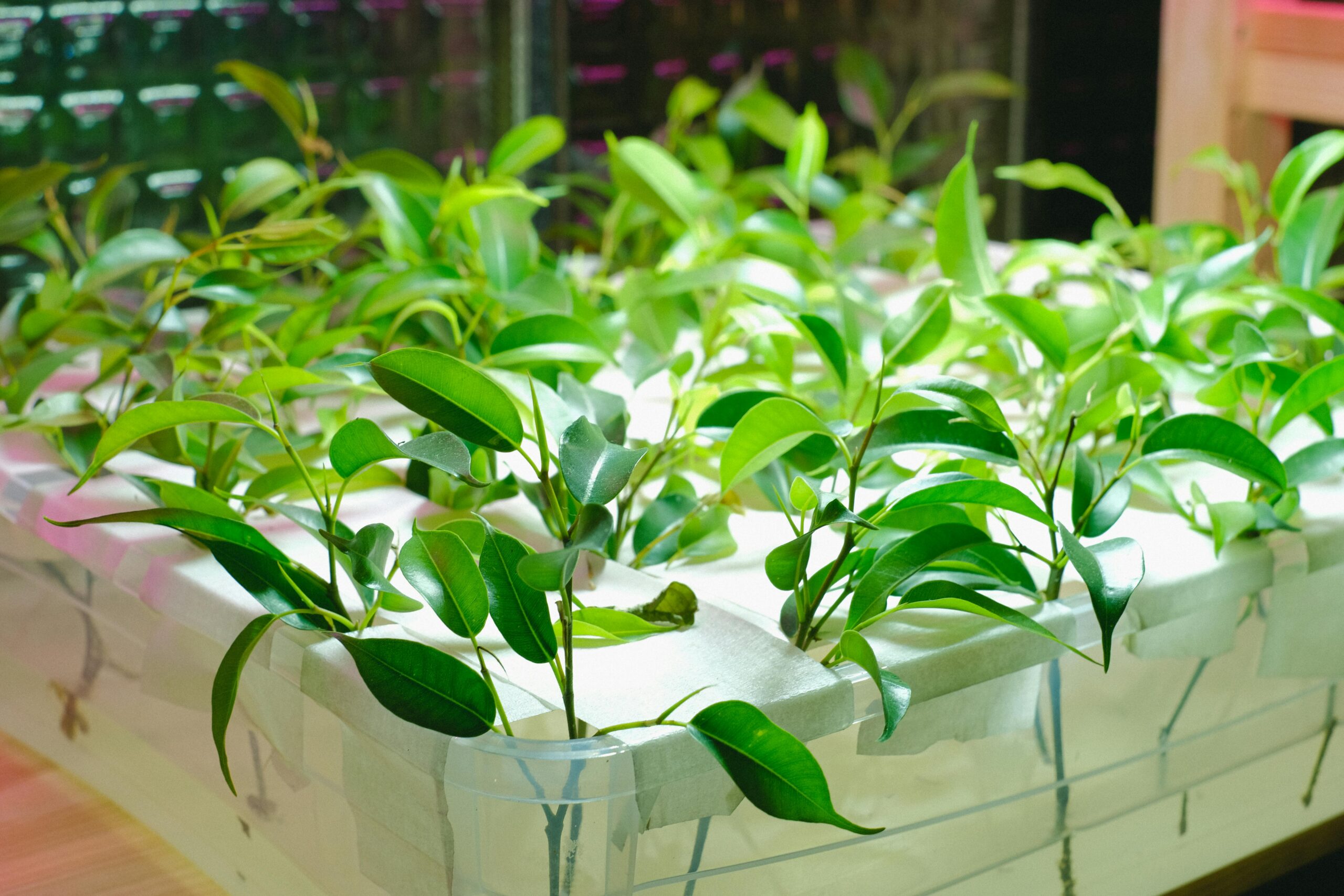
Automated hydroponic systems are soil-free growing systems that use water enriched with nutrients to grow plants while relying on automation technology to manage and optimize plant growth.
Unlike traditional farming, hydroponics delivers nutrients directly to plant roots through water solutions.
Automation systems control important factors such as:
- Water circulation
- Nutrient delivery
- Lighting schedules
- Temperature
- Humidity
- pH levels
- Oxygen supply
These smart systems reduce manual work while improving crop efficiency and consistency.
How Hydroponic Systems Work
Hydroponic farming replaces soil with nutrient-rich water solutions.
Plants receive essential nutrients directly through their root systems.
Key Hydroponic Principles
- Plants grow in water or inert growing media
- Nutrients are dissolved in water
- Roots absorb oxygen and minerals efficiently
- Controlled environments improve growth speed
Because nutrients are delivered directly, plants often grow faster than in traditional soil farming.
Automation further improves precision and consistency.
Why Automated Hydroponic Systems Are Growing in Popularity
Hydroponic automation is attracting attention worldwide for several important reasons.
Water Conservation
Hydroponic systems use significantly less water compared to traditional farming.
Recirculating systems reduce waste and improve sustainability.
Space Efficiency
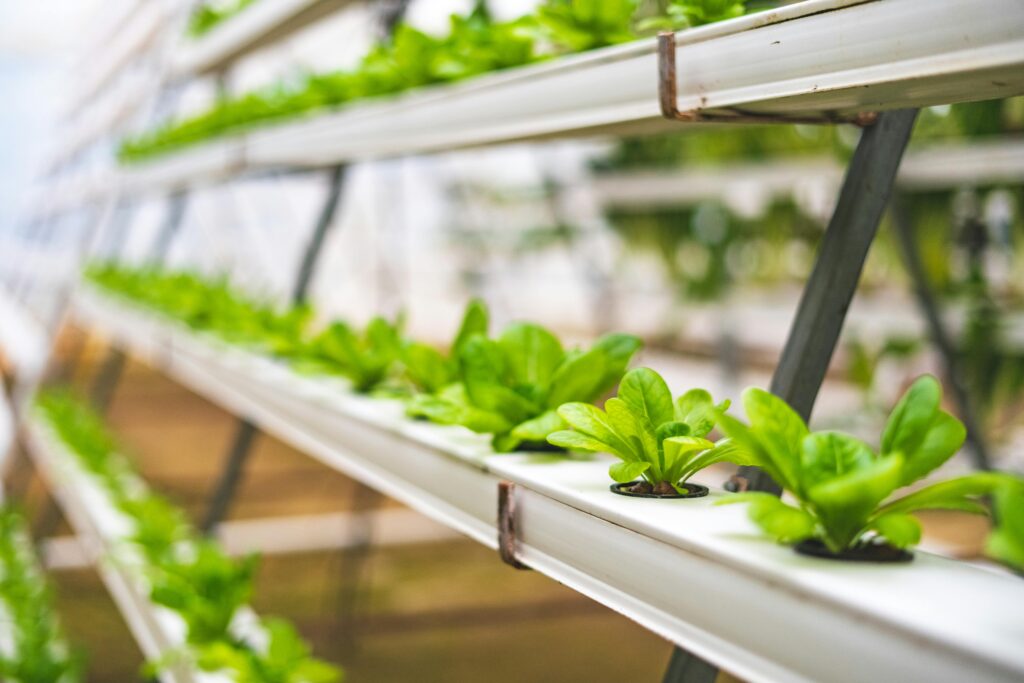
Vertical and indoor hydroponic systems maximize limited space.
Urban farming becomes possible even in apartments and small homes.
Faster Plant Growth
Controlled nutrient delivery supports rapid plant development.
Many crops grow faster than in soil-based farming.
Reduced Labor
Automation handles many routine tasks.
This reduces daily maintenance and manual monitoring.
Year-Round Farming
Indoor automated systems allow continuous crop production regardless of weather conditions.
Controlled environments support stable harvests throughout the year.
Benefits of Automated Hydroponic Systems
Modern automated hydroponic systems offer numerous advantages.
1. Increased Crop Production
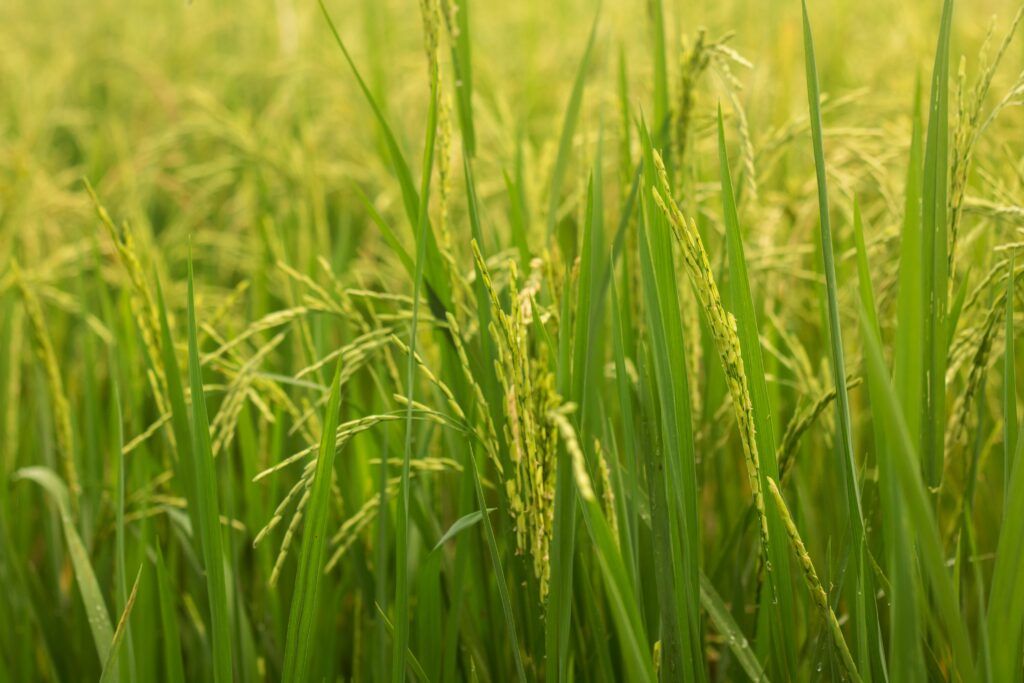
Hydroponic plants often grow faster and produce higher yields.
Direct nutrient access improves growth efficiency.
Automation ensures plants consistently receive optimal conditions.
Higher productivity makes hydroponics attractive for commercial farming.
2. Efficient Water Usage
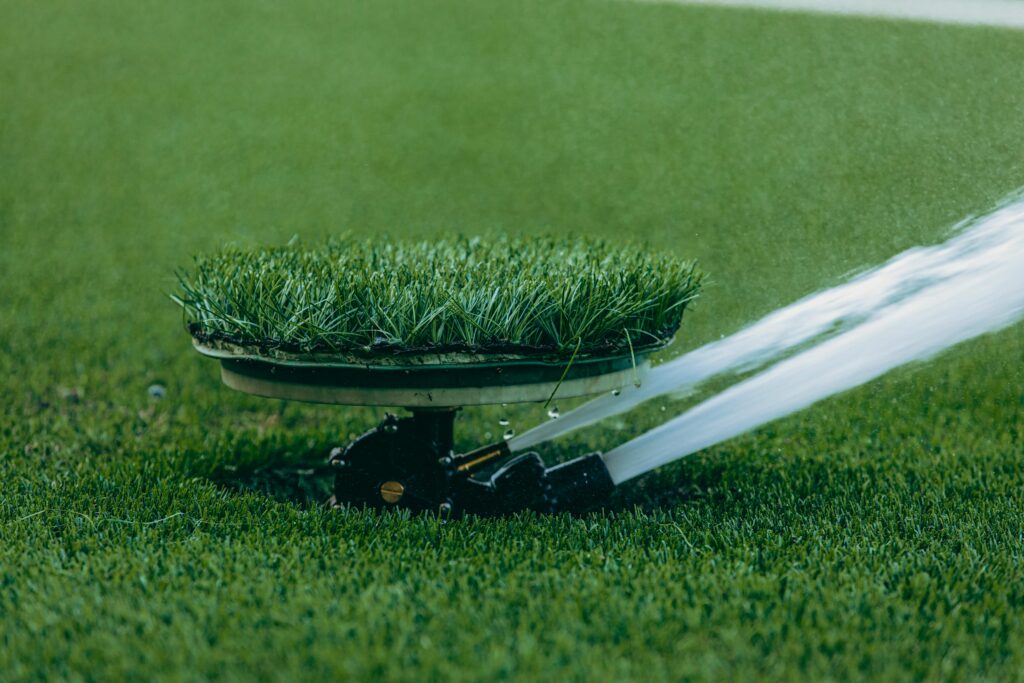
Traditional farming wastes large amounts of water through evaporation and runoff.
Hydroponic systems recycle water efficiently.
Many systems use up to 90% less water than soil farming.
This makes hydroponics ideal for water-scarce regions.
3. Reduced Need for Pesticides

Indoor hydroponic systems experience fewer pests and diseases.
Controlled environments reduce the need for chemical pesticides.
Healthier crops support safer food production.
Cleaner growing conditions also reduce contamination risks.
4. Smart Automation and Monitoring
Modern systems include sensors and smart controls.
Automation can monitor:
- Nutrient levels
- Water temperature
- Humidity
- Lighting cycles
- pH balance
Real-time monitoring improves plant health and reduces errors.
Smartphone apps often allow remote system control.
5. Sustainable Farming Solution
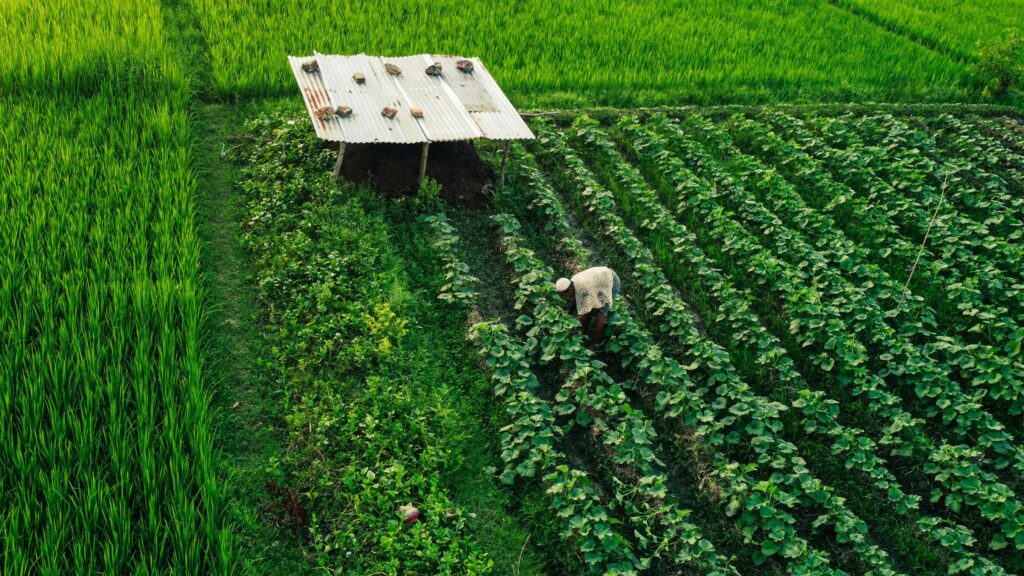
Automated hydroponics supports environmentally friendly agriculture.
Benefits include:
- Lower water consumption
- Reduced soil degradation
- Minimal chemical use
- Less transportation for urban farming
Sustainable food production is becoming increasingly important worldwide.
Main Components of Automated Hydroponic Systems
Understanding system components helps growers choose the right setup.
Growing Tray or Container
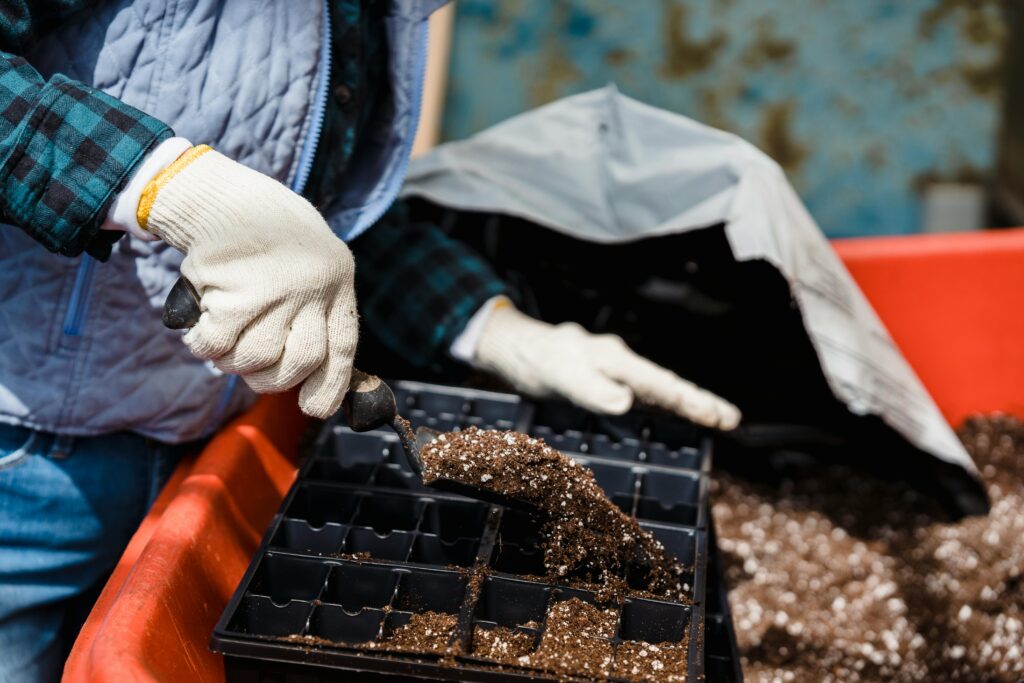
Plants are placed in containers or trays instead of soil.
The system supports roots while allowing nutrient delivery.
Containers are designed for proper drainage and airflow.
Water Reservoir

The reservoir stores nutrient-rich water solutions.
Pumps circulate water through the system.
Reservoir size depends on the scale of the hydroponic setup.
Maintaining clean reservoirs is essential for plant health.
Water Pumps
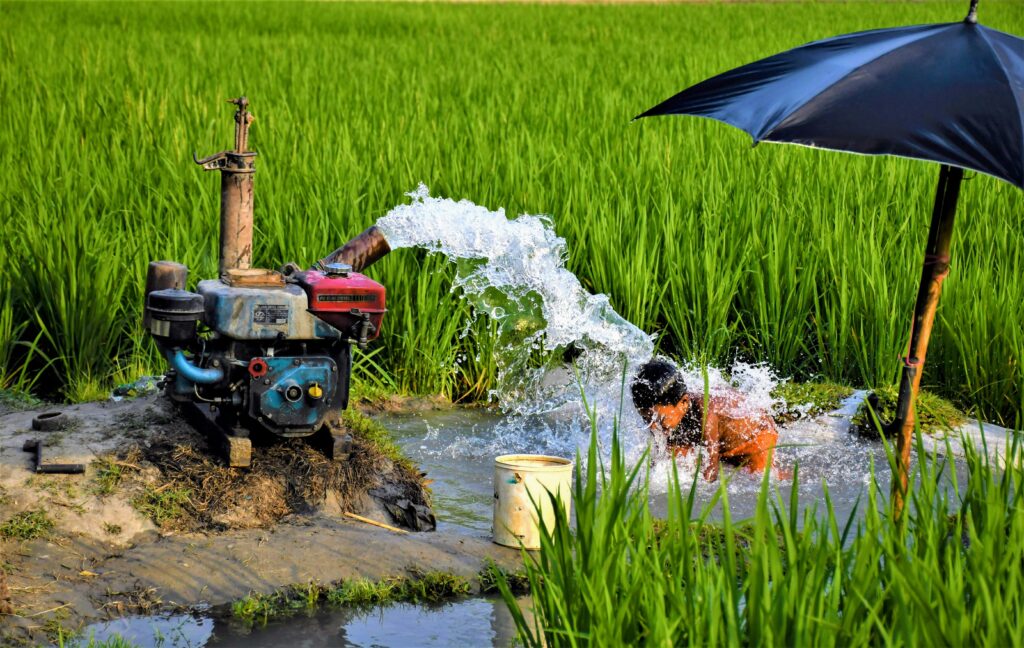
Pumps move nutrient solutions throughout the system.
Automated timers regulate water flow schedules.
Reliable pumps ensure consistent nutrient delivery.
Proper circulation also increases oxygen availability.
LED Grow Lights
Indoor hydroponic systems often rely on artificial lighting.
LED grow lights provide energy-efficient illumination for photosynthesis.
Benefits of LED Grow Lights
- Lower energy consumption
- Reduced heat production
- Adjustable light spectrums
- Longer lifespan
Lighting automation helps optimize plant growth cycles.
Nutrient Delivery System
Hydroponic nutrients are mixed into water solutions.
Automation controls nutrient concentration and delivery timing.
Balanced nutrients support healthy plant growth.
Regular monitoring prevents nutrient deficiencies.
Sensors and Controllers
Smart sensors monitor environmental conditions.
Common Monitoring Features
- pH sensors
- Water level sensors
- Temperature sensors
- Humidity monitors
- Light timers
Controllers automatically adjust system settings.
Advanced automation reduces the need for manual supervision.
Popular Types of Automated Hydroponic Systems
Different hydroponic methods serve different growing needs.
Deep Water Culture (DWC)
Plants are suspended above nutrient-rich water.
Roots remain submerged while receiving oxygen from air pumps.
Advantages of DWC
- Simple design
- Fast plant growth
- Suitable for beginners
Leafy greens grow especially well in DWC systems.
Nutrient Film Technique (NFT)
A thin stream of nutrient solution flows continuously past plant roots.
Benefits of NFT Systems
- Efficient nutrient delivery
- Minimal water waste
- Suitable for commercial farming
NFT systems are popular for herbs and lettuce.
Drip Hydroponic Systems
Drip systems deliver nutrients directly to plant roots through tubing.
Advantages of Drip Systems
- Precise nutrient control
- Suitable for large plants
- Scalable design
Automation makes drip systems highly efficient.
Aeroponic Systems
Aeroponics uses nutrient mist instead of water immersion.
Benefits of Aeroponics
- Maximum oxygen exposure
- Rapid growth rates
- Minimal water use
Aeroponics is highly advanced but requires careful monitoring.
Ebb and Flow Systems
Also called flood and drain systems.
Plants are periodically flooded with nutrient solution and then drained.
Advantages of Ebb and Flow
- Flexible design
- Good oxygen circulation
- Suitable for many plant types
Automation controls flooding schedules efficiently.
Best Crops for Automated Hydroponic Systems
Many plants thrive in hydroponic environments.
Popular Hydroponic Crops
- Lettuce
- Spinach
- Kale
- Basil
- Mint
- Strawberries
- Tomatoes
- Cucumbers
- Peppers
Leafy greens and herbs are especially easy to grow hydroponically.
Commercial farms often produce vegetables year-round.
Indoor vs Outdoor Automated Hydroponics
Hydroponic systems can operate indoors or outdoors.
Indoor Hydroponics
Advantages
- Controlled environments
- Year-round growing
- Reduced pest exposure
- Space-efficient vertical farming
Challenges
- Electricity costs
- Artificial lighting requirements
Outdoor Hydroponics
Advantages
- Natural sunlight
- Lower lighting costs
Challenges
- Weather dependence
- Pest exposure
Indoor systems are becoming increasingly popular in urban environments.
Maintenance Tips for Automated Hydroponic Systems
Proper maintenance ensures healthy plants and efficient operation.
Monitor pH Levels
Maintaining balanced pH levels supports nutrient absorption.
Clean the System Regularly
Prevent algae buildup and bacterial growth.
Check Water Levels
Ensure reservoirs contain adequate nutrient solution.
Inspect Pumps and Tubing
Proper circulation is essential for healthy plants.
Replace Nutrient Solutions
Refresh nutrient mixtures regularly to maintain balance.
Routine maintenance prevents system failures and crop problems.
Common Mistakes to Avoid in Hydroponic Farming
Beginners often make avoidable errors.
Overfeeding Nutrients
Excess nutrients can damage plant roots.
Ignoring pH Balance
Improper pH levels reduce nutrient absorption.
Poor Lighting Setup
Insufficient light affects plant growth.
Inadequate Oxygen Supply
Roots require proper oxygen circulation.
Lack of Monitoring
Automation helps, but systems still require supervision.
Understanding these mistakes improves long-term success.
Smart Technology and the Future of Hydroponics
Automation technology continues improving rapidly.
Emerging Innovations
- AI-powered monitoring
- Smartphone-controlled systems
- Automated nutrient balancing
- Smart climate control
- Robotic harvesting systems
Technology is making hydroponic farming more accessible and efficient.
Future systems may fully automate crop production.
Eco-Friendly Benefits of Automated Hydroponics
Hydroponics supports sustainable agriculture in multiple ways.
Environmental Advantages
- Lower water consumption
- Reduced pesticide use
- Less land usage
- Reduced transportation emissions
- Lower soil degradation
Urban hydroponic farms can bring food production closer to consumers.
Sustainable farming solutions are increasingly important globally.
Is Automated Hydroponic Farming Worth It?
Automated hydroponic systems offer long-term benefits for many growers.
Reasons to Invest
- Faster crop growth
- Reduced maintenance
- Efficient resource usage
- Higher productivity
- Year-round growing
While setup costs can be high initially, long-term efficiency often offsets expenses.
Hydroponics is becoming more affordable as technology advances.
Final Thoughts
Automated hydroponic systems represent the future of smart and sustainable agriculture. By combining soil-free growing methods with intelligent automation, these systems provide efficient, eco-friendly, and highly productive farming solutions.
At Echoscibes, we believe technology can help create healthier, greener, and more sustainable lifestyles. Automated hydroponics allows homeowners, urban gardeners, and commercial farmers to grow fresh produce efficiently while conserving resources.
Whether you want to build a small indoor herb garden or a large commercial farming operation, automated hydroponic systems offer flexibility, convenience, and long-term sustainability.
As smart farming technology continues evolving, hydroponic systems will become even more accessible, efficient, and environmentally responsible.
By understanding the basics, choosing the right setup, and maintaining systems properly, growers can enjoy healthier plants, higher yields, and smarter farming for years to come.
For more smart living, sustainable farming, and technology inspiration, continue visiting Echos