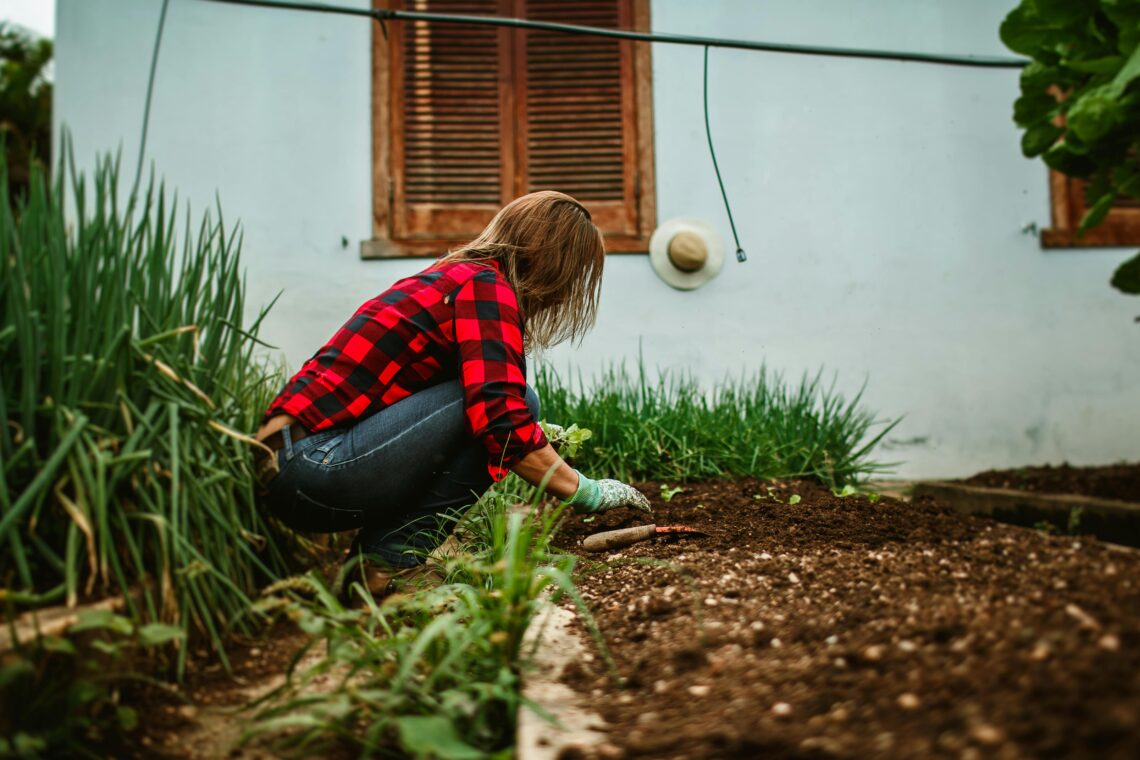
In recent years, backyard farming has become one of the fastest-growing lifestyle and sustainability trends around the world. As people become more interested in healthy eating, self-sufficiency, and eco-friendly living, many households are transforming small outdoor spaces into productive mini farms. Backyard farming allows individuals and families to grow fresh vegetables, fruits, herbs, and even raise small animals directly at home.
This movement is not only about saving money or producing food. It is also about reconnecting with nature, improving wellness, reducing environmental impact, and creating a more sustainable lifestyle.
At Echoscribes, we focus on practical lifestyle ideas that support healthier and smarter living. In this comprehensive guide, we will explore everything about backyard farming, including its benefits, beginner tips, garden planning, sustainable techniques, essential tools, common mistakes, and future trends in home food production.
What Is Backyard Farming?
Backyard farming refers to growing food and sometimes raising small livestock in residential outdoor spaces such as backyards, patios, rooftops, or small gardens.
Unlike large-scale commercial farming, backyard farming is designed for personal use, family consumption, and small-scale sustainability.
Backyard farms may include:
- Vegetable gardens
- Herb gardens
- Fruit trees
- Compost systems
- Chicken coops
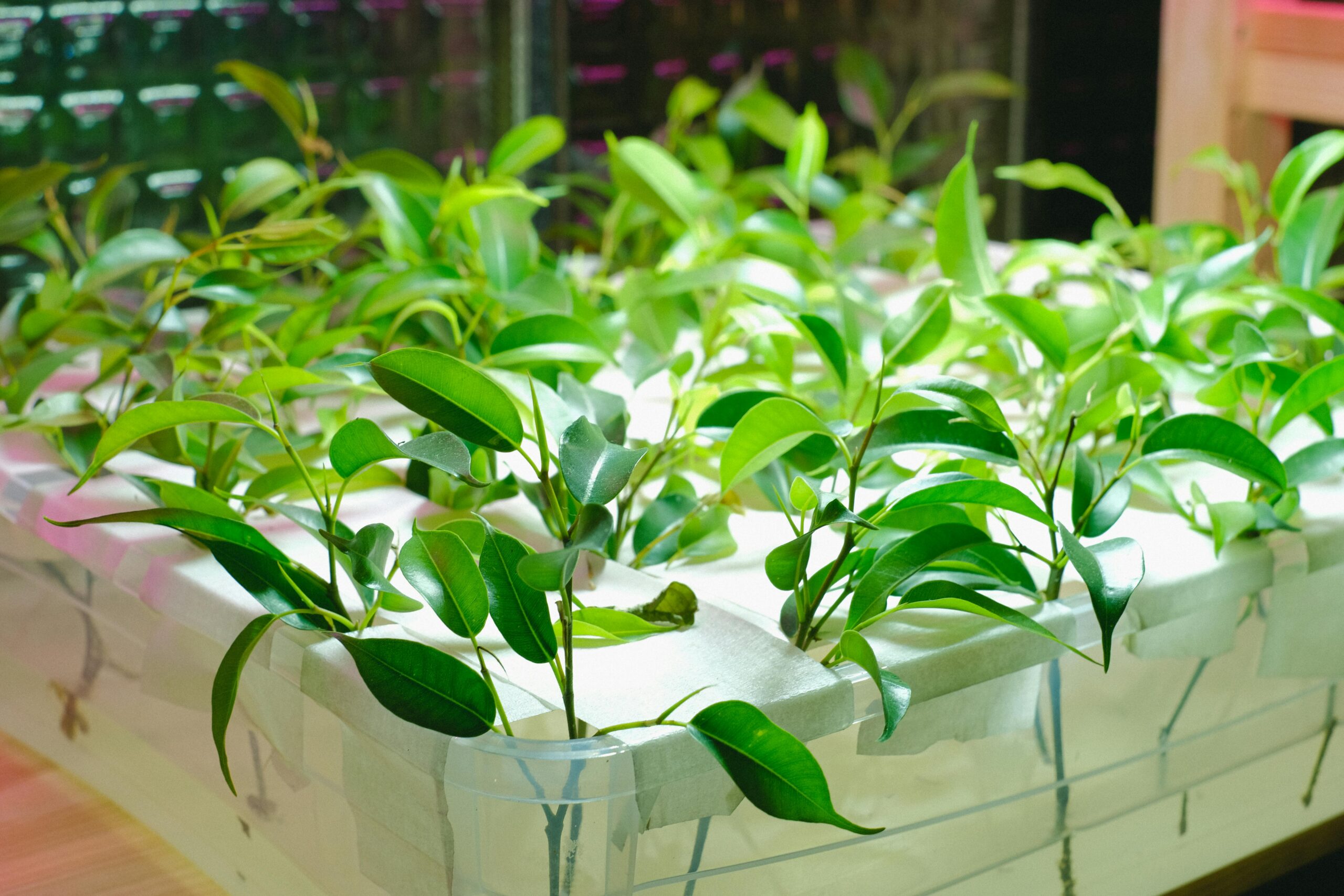
- Hydroponic setups
- Raised garden beds
The goal is to create a productive and self-sustaining home environment.
Why Backyard Farming Is Becoming Popular
Modern lifestyles have increased interest in sustainable living and healthier food choices.
Several factors are driving the popularity of backyard farming.
1. Rising Food Costs
Growing food at home can help reduce grocery expenses over time.
Fresh herbs and vegetables can be produced more affordably in home gardens.
2. Healthier Eating Habits

Homegrown produce is often fresher and free from excessive chemicals or preservatives.
People enjoy having direct control over how their food is grown.
3. Sustainability Awareness
Backyard farming supports environmentally friendly living.
It helps reduce:
- Food transportation pollution
- Packaging waste
- Chemical usage
4. Connection with Nature
Gardening and farming activities improve mental wellness and encourage outdoor activity.
Benefits of Backyard Farming
Backyard farming offers many practical and emotional benefits.
1. Access to Fresh Food
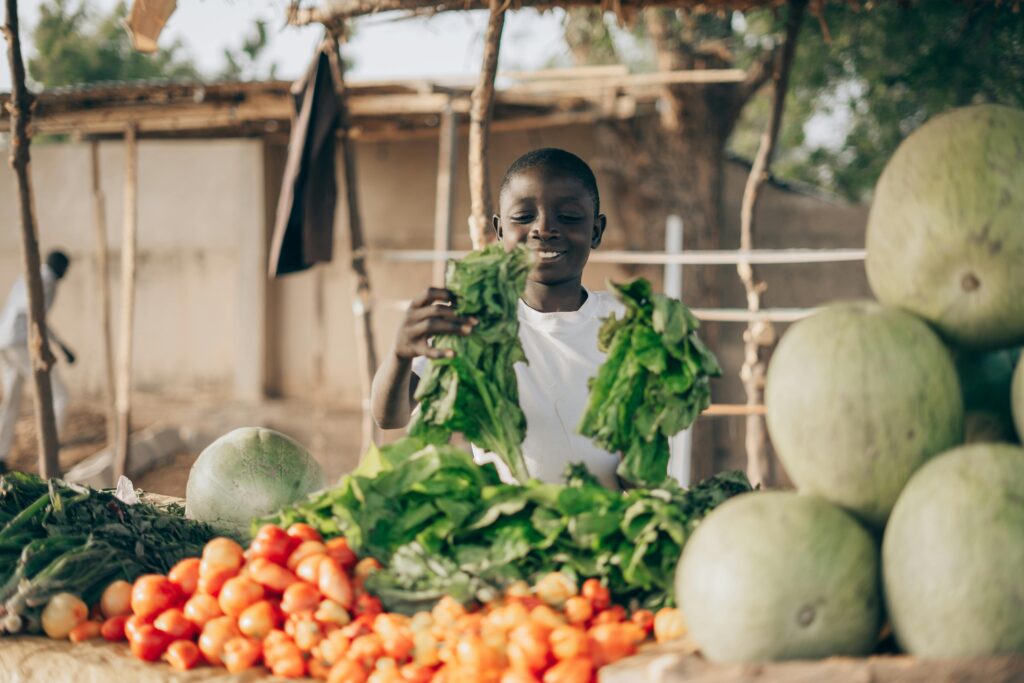
One of the biggest advantages is having fresh produce available at home.
Popular backyard crops include:
- Tomatoes
- Lettuce
- Peppers
- Spinach
- Basil
- Strawberries
Freshly harvested food often tastes better and retains more nutrients.
2. Reduces Grocery Costs
Although starting a backyard farm requires some investment, long-term food savings can be significant.
Growing herbs alone can reduce frequent grocery purchases.
3. Encourages Sustainable Living
Backyard farming supports eco-friendly habits.
Benefits include:
- Reduced waste
- Less plastic packaging
- Compost recycling
- Lower carbon footprint
4. Improves Mental Health
Gardening is known to reduce stress and anxiety.
Spending time outdoors and caring for plants promotes relaxation and mindfulness.
5. Promotes Physical Activity
Farming tasks naturally encourage movement and exercise.
Activities such as digging, watering, planting, and harvesting improve physical activity levels.
Planning Your Backyard Farm
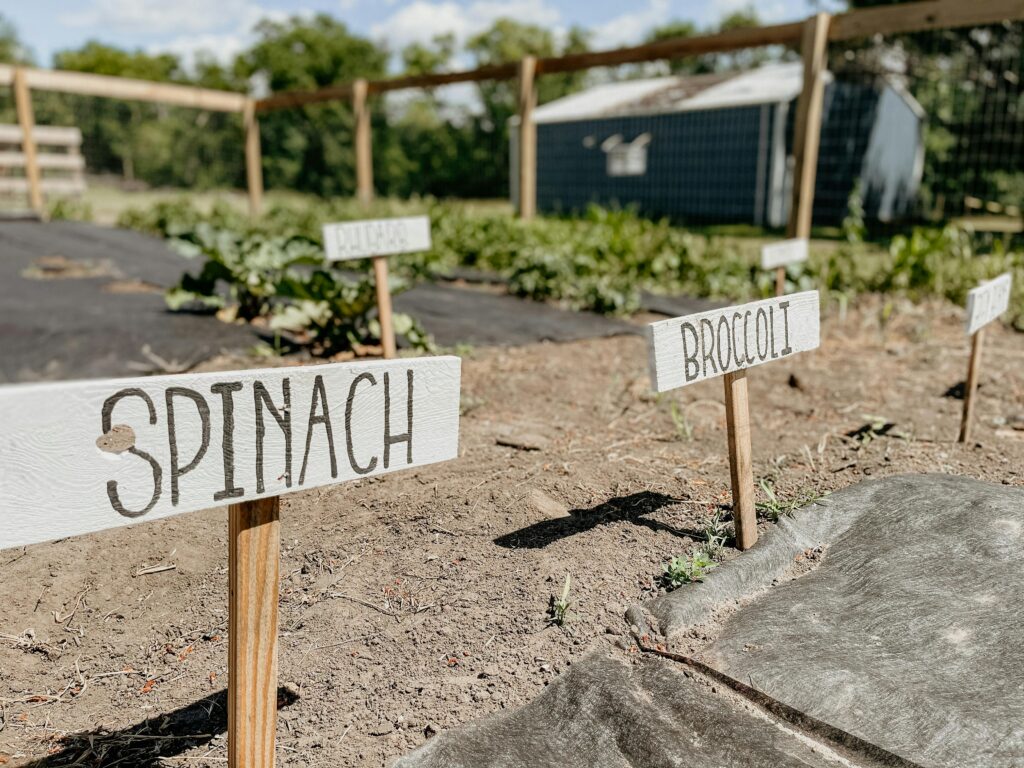
Successful backyard farming starts with proper planning.
Evaluate Your Space
The size and layout of your outdoor area will determine what you can grow.
Common Backyard Farming Spaces
- Small gardens
- Rooftops
- Patios
- Balconies
- Side yards
Even small areas can produce significant amounts of food with smart planning.
Check Sunlight Availability
Most vegetables need at least 6–8 hours of sunlight daily.
Observe how sunlight moves through your outdoor space.
Choose crops based on light conditions.
Understand Your Climate
Different plants grow best in different climates.
Research local growing seasons before planting.
Seasonal planning improves harvest success.
Test Soil Quality
Healthy soil is essential for strong plant growth.
Good soil should be:
- Nutrient-rich
- Well-drained
- Moist but not waterlogged
Adding compost improves soil quality naturally.
Popular Backyard Farming Methods
There are several farming styles suitable for home environments.
Traditional Ground Gardening
Plants grow directly in backyard soil.
Benefits
- Lower setup cost
- Natural growth conditions
This method works well for larger spaces.
Raised Garden Beds
Raised beds are elevated planting areas filled with prepared soil.
Advantages
- Better drainage
- Easier weed control
- Improved organization
Raised beds are popular among beginners.
Container Gardening
Plants grow in pots or containers.
Best For
- Small spaces
- Balconies
- Urban homes
Herbs and smaller vegetables grow well in containers.
Vertical Gardening
Vertical gardening uses walls or stacked systems to maximize space.
Ideal Crops
- Herbs
- Lettuce
- Strawberries
This method is excellent for compact areas.
Hydroponic Farming
Hydroponics grows plants without soil using nutrient-rich water.
Benefits
- Faster growth
- Water efficiency
- Indoor farming possibilities
Hydroponic systems are becoming increasingly popular.
Best Crops for Backyard Farming Beginners
Some plants are easier to grow than others.
Easy Vegetables
Tomatoes
One of the most popular backyard crops.
Lettuce
Fast-growing and beginner-friendly.
Cucumbers
Productive and relatively low-maintenance.
Peppers
Suitable for many climates.
Easy Herbs
Basil
Simple and highly useful in cooking.
Mint
Fast-growing and easy to maintain.
Parsley
Versatile and beginner-friendly.
Fruit Options
Strawberries
Great for containers and small gardens.
Lemon Trees
Suitable for warmer climates.
Composting and Natural Fertilizers
Composting turns organic waste into nutrient-rich soil material.
Benefits of Composting
- Reduces food waste
- Improves soil fertility
- Supports sustainable farming
Compost Materials
Good compost ingredients include:
- Vegetable scraps
- Dry leaves
- Grass clippings
- Coffee grounds
Avoid adding harmful chemicals or processed foods.
Watering and Irrigation Tips
Proper watering is essential for plant health.
Best Watering Practices
- Water early in the morning
- Avoid overwatering
- Use mulch to retain moisture
Drip Irrigation Systems
Efficient watering systems reduce water waste.
They deliver moisture directly to plant roots.
Natural Pest Control Methods
Healthy backyard farming avoids excessive chemical use.
Eco-Friendly Pest Solutions
- Neem oil
- Companion planting
- Homemade sprays
- Natural predators
Maintaining healthy soil also improves plant resistance.
Raising Small Animals in Backyard Farms
Some backyard farms include small livestock.
Popular Options
- Chickens
- Rabbits
- Bees
These animals may provide eggs, fertilizer, or pollination support.
Local regulations should always be checked first.
Backyard Farming for Families and Children
Home farming is educational and rewarding for families.
Benefits for Children
- Teaches responsibility
- Encourages healthy eating
- Builds environmental awareness
Gardening activities can become valuable family experiences.
Common Backyard Farming Mistakes
Avoiding mistakes improves farming success.
Planting Too Much at Once
Beginners should start small and expand gradually.
Ignoring Soil Quality
Poor soil limits plant growth.
Overwatering Plants
Too much water can damage roots and encourage disease.
Choosing Difficult Crops First
Begin with easy plants before trying advanced farming projects.
Technology and Modern Backyard Farming
Technology is transforming home farming methods.
Smart Gardening Systems
Modern tools include:
- Smart irrigation
- Moisture sensors
- Automated lighting
These systems improve efficiency and convenience.
Gardening Apps
Apps help track:
- Plant growth
- Water schedules
- Weather conditions
Technology makes farming easier for beginners.
Future Trends in Backyard Farming
Backyard farming continues evolving with sustainability trends.
Urban Farming Growth
More city residents are adopting compact farming methods.
Indoor Food Production
Hydroponics and vertical farming will likely become more common indoors.
Sustainable Food Movements
Local food production and eco-friendly living will continue growing.
Smart Farming Technology
AI and automation may simplify home farming even further.
Is Backyard Farming Worth It?
Absolutely. Backyard farming offers health, environmental, and lifestyle benefits.
Key Advantages
- Fresh food access
- Sustainable living
- Stress relief
- Cost savings
- Greater self-sufficiency
Even small home gardens can create meaningful lifestyle improvements.
Final Thoughts
Backyard farming is more than a gardening hobby—it is a lifestyle that promotes healthier eating, sustainability, self-sufficiency, and connection with nature. Whether through growing vegetables, herbs, fruits, or creating eco-friendly garden systems, backyard farming helps people take greater control over their food and environment.
At Echoscribes, we believe sustainable living begins with simple and practical choices. Backyard farming allows individuals and families to enjoy fresh food while creating peaceful and productive outdoor spaces.
From raised garden beds and container gardening to composting and smart irrigation systems, there are countless ways to build a successful backyard farm regardless of available space.
As environmental awareness and healthy living continue growing worldwide, backyard farming will remain an important part of modern sustainable lifestyles.
By starting small, learning consistently, and embracing nature-focused living, anyone can create a rewarding and productive backyard farming experience.
For more home improvement ideas, sustainable lifestyle guides, and modern living inspiration, continue visiting Echoscribes.