
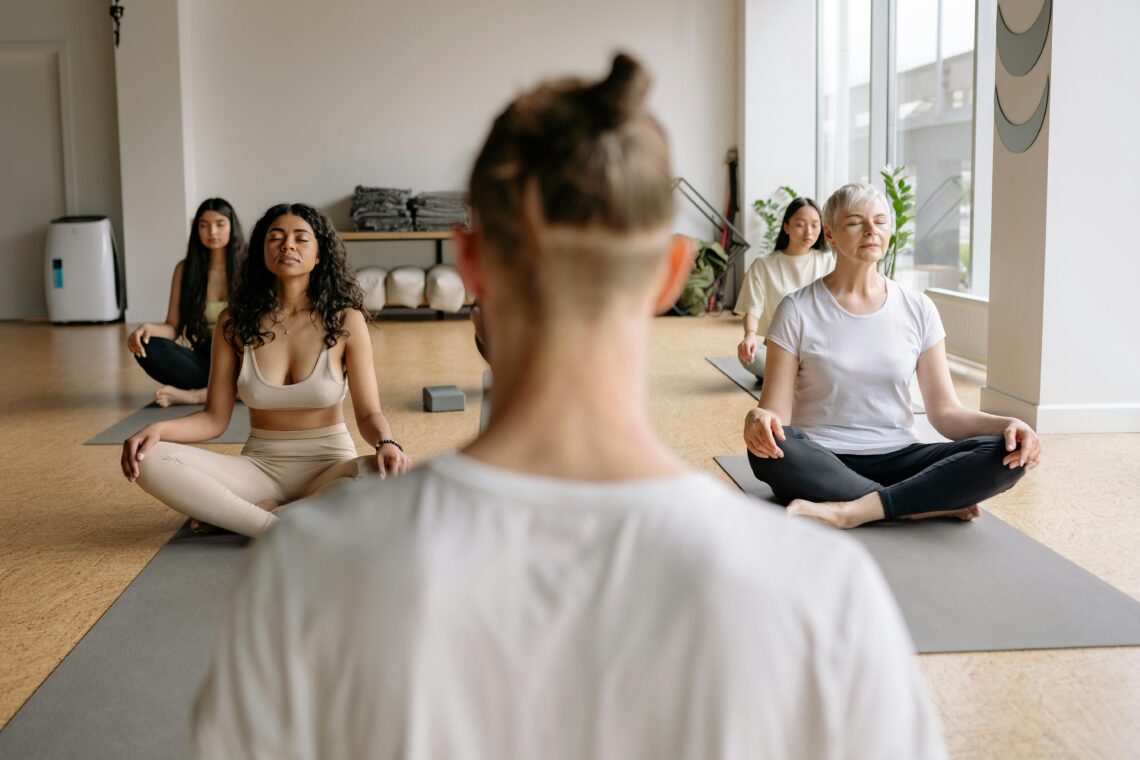
In today’s busy and digitally connected world, many people struggle with stress, mental fatigue, emotional imbalance, and physical exhaustion. Modern lifestyles often prioritize productivity and speed while neglecting mental peace and physical well-being. As a result, more individuals are turning toward mind-body balance practices such as yoga, meditation, breathing exercises, mindfulness, and holistic wellness routines.
Mind-body practices focus on creating harmony between physical health, emotional stability, and mental clarity. These wellness methods help people slow down, reconnect with themselves, and improve overall quality of life.
At Echoscibes, we believe wellness should support both body and mind in a balanced and sustainable way. In this comprehensive guide, we will explore the meaning of mind-body balance practices, their benefits, popular techniques, daily routines, scientific effects, and future trends in holistic wellness.
What Are Mind-Body Balance Practices?
Mind-body balance practices are activities that strengthen the connection between mental and physical well-being.
These practices encourage awareness, relaxation, movement, and emotional balance.
Common examples include:
- Yoga
- Meditation
- Breathing exercises
- Tai chi
- Mindfulness practices
- Stretching routines
- Relaxation techniques
The goal is to improve both physical health and mental clarity through intentional habits.
Why Mind-Body Balance Matters
The mind and body are deeply connected.
Stress, anxiety, and emotional tension can affect physical health, while physical exhaustion can influence mental well-being.
An unhealthy imbalance may contribute to:
- Fatigue
- Poor concentration
- Anxiety
- Sleep problems
- Muscle tension
- Burnout
Mind-body wellness practices help create balance and improve overall health.
Benefits of Mind-Body Balance Practices
These wellness methods offer many long-term advantages.
1. Reduces Stress and Anxiety
One of the biggest benefits is stress relief.
Mind-body exercises calm the nervous system and reduce emotional tension.
Practices like meditation and yoga help people feel calmer and more emotionally stable.
2. Improves Physical Flexibility and Strength
Movement-based wellness routines improve physical fitness.
Benefits may include:
- Better posture
- Improved flexibility
- Muscle strength
- Enhanced mobility
Gentle movement also supports joint health.
3. Enhances Mental Clarity
Mindfulness and breathing exercises improve focus and concentration.
These practices reduce mental distractions and encourage present-moment awareness.
4. Supports Better Sleep
Relaxation techniques help calm the mind before bedtime.
People who practice mindfulness regularly often experience improved sleep quality.
5. Encourages Emotional Balance
Mind-body wellness supports emotional awareness and self-control.
This improves resilience during stressful situations.
Yoga: One of the Most Popular Mind-Body Practices
Yoga combines movement, breathing, and mindfulness.
It has become one of the world’s most recognized wellness practices.
Types of Yoga
There are many styles of yoga for different needs.
Hatha Yoga
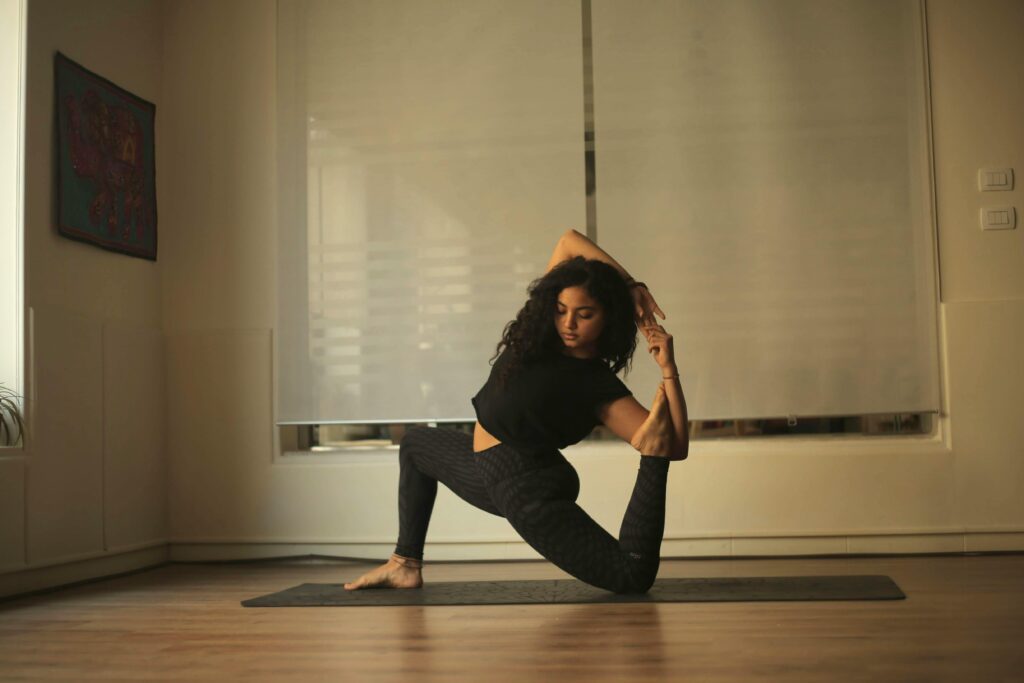
Focuses on gentle movements and beginner-friendly poses.
Vinyasa Yoga
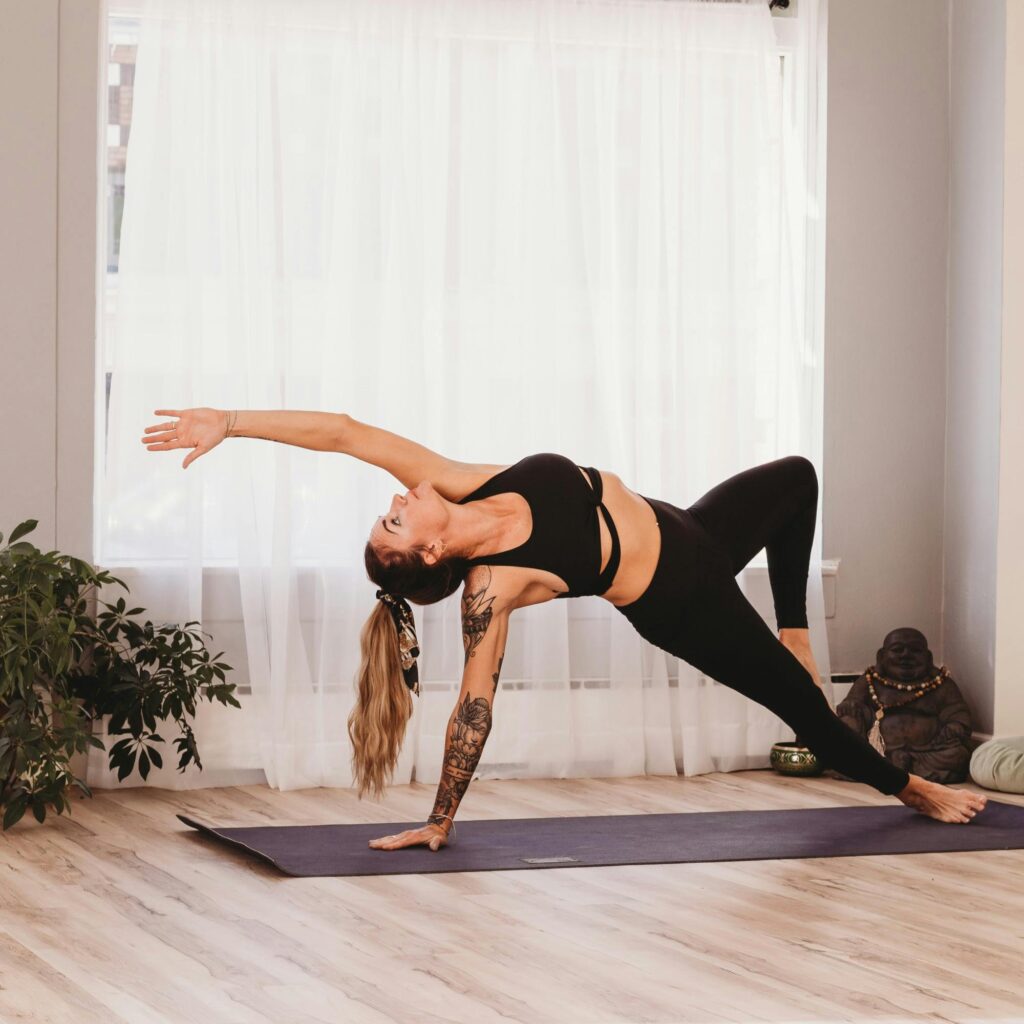
Uses flowing sequences and coordinated breathing.
Yin Yoga
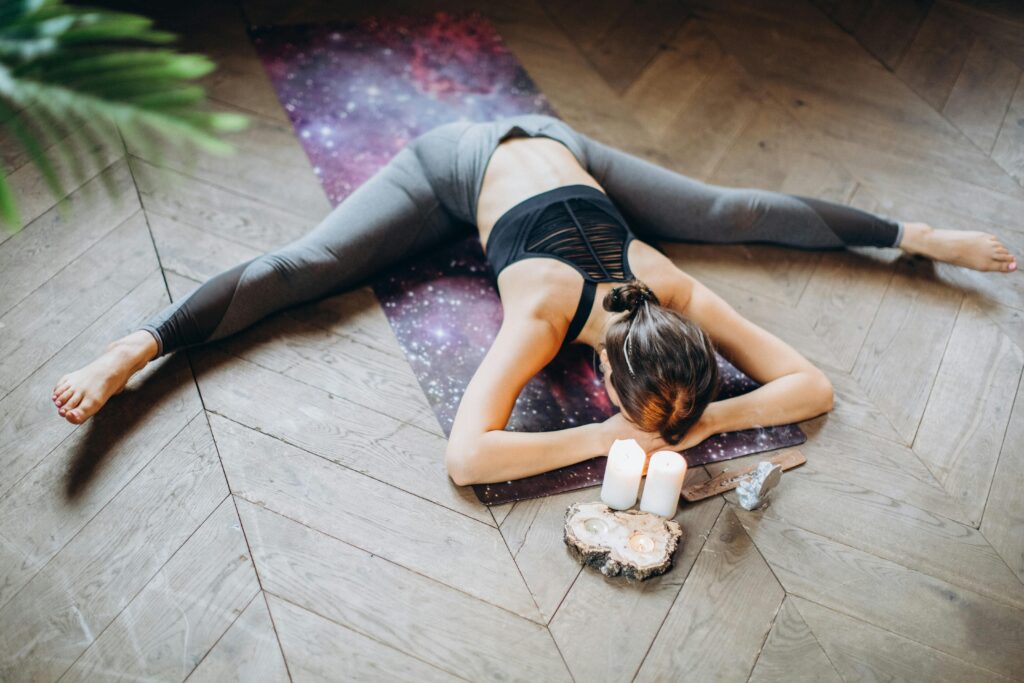
Targets deep relaxation and flexibility.
Power Yoga
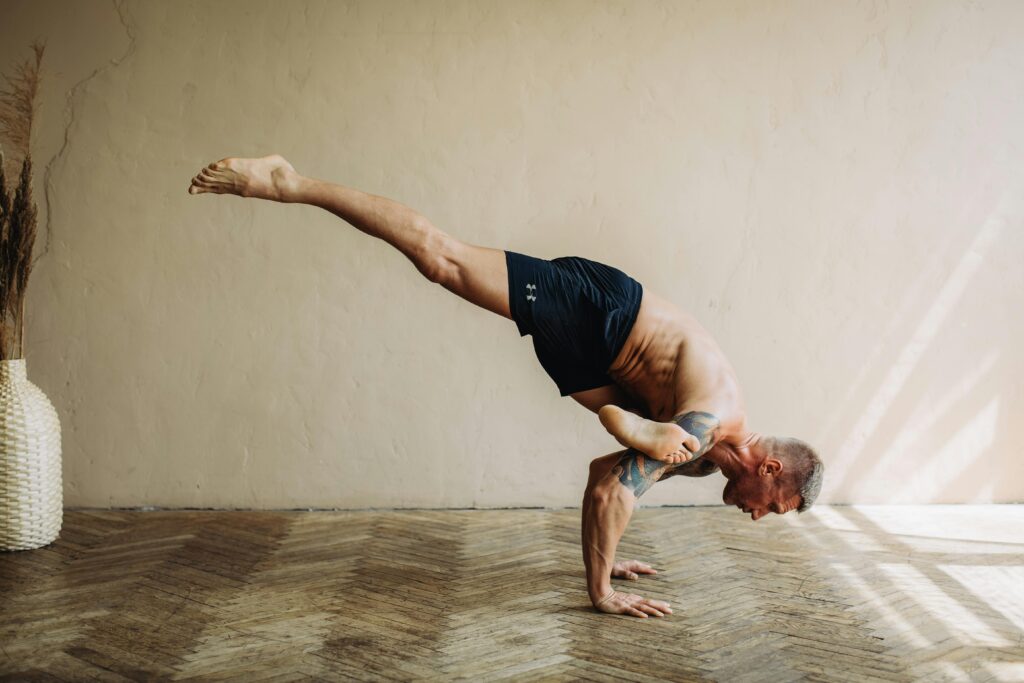
More physically intense and fitness-oriented.
Restorative Yoga
Promotes relaxation and stress recovery.
Different yoga styles support different wellness goals.
Benefits of Yoga
Yoga improves both mental and physical health.
Physical Benefits
- Better flexibility
- Improved balance
- Muscle strength
- Better posture
Mental Benefits
- Reduced stress
- Improved focus
- Emotional calmness
Yoga supports full-body wellness.
Meditation and Mental Wellness
Meditation is the practice of focused awareness and mental calmness.
It helps quiet the mind and improve emotional balance.
Types of Meditation
Mindfulness Meditation
Focuses on observing thoughts without judgment.
Guided Meditation
Uses verbal instructions or audio guidance.
Breathing Meditation
Focuses attention on controlled breathing.
Loving-Kindness Meditation
Encourages compassion and positive emotions.
Meditation styles can be personalized based on individual preferences.
Benefits of Meditation
Regular meditation offers many wellness advantages.
Mental Benefits
- Reduced anxiety
- Improved emotional control
- Better concentration
Physical Benefits
- Lower stress response
- Improved sleep
- Relaxation support
Meditation encourages inner calmness and awareness.
Breathing Techniques for Mind-Body Balance
Breathing exercises play an important role in wellness.
Controlled breathing directly affects the nervous system.
Deep Breathing
Slow breathing helps reduce stress and tension.
Benefits
- Calms the mind
- Slows heart rate
- Improves oxygen flow
Box Breathing
This technique uses equal breathing intervals.
Process
- Inhale
- Hold
- Exhale
- Hold again
Each step usually lasts four seconds.
Box breathing improves focus and emotional balance.
Alternate Nostril Breathing
A traditional breathing exercise often used in yoga.
Benefits
- Mental clarity
- Relaxation
- Emotional balance
Mindfulness Practices in Daily Life
Mindfulness means paying full attention to the present moment.
It helps reduce overthinking and emotional overwhelm.
Simple Mindfulness Habits
- Mindful walking
- Mindful eating
- Journaling
- Gratitude reflection
Mindfulness encourages calmness and awareness.
Tai Chi and Gentle Movement Practices
Tai chi combines slow movements with deep breathing.
It is often described as “meditation in motion.”
Benefits
- Better balance
- Stress reduction
- Improved coordination
Gentle movement practices are especially helpful for relaxation.
Creating a Daily Mind-Body Wellness Routine
Consistency improves wellness results.
Morning Wellness Routine
Starting the day calmly improves focus and mood.
Ideas
- Stretching
- Deep breathing
- Short meditation
Midday Stress Relief
Short mindfulness breaks improve productivity.
Quick Practices
- Deep breathing
- Light stretching
- Mindful pauses
Evening Relaxation Routine
Evening wellness routines support better sleep.
Helpful Activities
- Meditation
- Gentle yoga
- Relaxation music
Mind-Body Wellness and Emotional Health
Emotional well-being is closely connected to physical wellness.
Mind-body practices improve:
- Self-awareness
- Emotional regulation
- Stress resilience
These habits support healthier emotional responses.
Benefits for Different Age Groups
Mind-body wellness is valuable for all ages.
Children and Teenagers
Mindfulness and yoga help improve focus and emotional control.
Adults
Stress management and work-life balance improve through wellness routines.
Older Adults
Gentle movement supports flexibility, balance, and relaxation.
Technology and Modern Wellness Practices
Technology is changing how people practice wellness.
Wellness Apps
Apps now provide:
- Guided meditation
- Yoga routines
- Breathing exercises
Wearable Wellness Devices
Smart devices can monitor:
- Stress levels
- Heart rate
- Sleep quality
Technology supports greater wellness awareness.
Online Wellness Communities
Digital communities encourage learning and motivation.
People can access wellness guidance from anywhere.
Common Mistakes to Avoid
Proper wellness habits improve long-term results.
Expecting Immediate Results
Mind-body wellness requires consistency and patience.
Overcomplicating Routines
Simple routines are often easier to maintain.
Ignoring Physical Limits
Exercises should feel comfortable and safe.
Inconsistent Practice
Regular routines create stronger long-term benefits.
Future Trends in Mind-Body Balance Practices
Holistic wellness continues evolving globally.
Personalized Wellness Programs
AI may help create customized wellness routines.
Virtual Reality Meditation
Immersive meditation environments may become more common.
Smart Wellness Spaces
Homes may include built-in relaxation and mindfulness technology.
Holistic Lifestyle Growth
Mind-body wellness will likely become more integrated into daily life and healthcare.
Are Mind-Body Balance Practices Worth It?
Absolutely. These practices support both mental and physical health naturally.
Key Benefits
- Stress reduction
- Better emotional balance
- Improved flexibility
- Increased mindfulness
- Better overall wellness
Even small daily practices can create meaningful long-term improvements.
Final Thoughts
Mind-body balance practices are essential for creating healthier, calmer, and more balanced lifestyles in today’s stressful world. Through yoga, meditation, breathing exercises, mindfulness, and gentle movement, individuals can strengthen the connection between physical and mental well-being.
At Echoscibes, we believe wellness should focus on balance, awareness, and sustainable healthy habits. Mind-body practices encourage relaxation, emotional stability, and personal growth while supporting overall quality of life.
Whether through daily meditation, yoga routines, mindful breathing, or simple relaxation habits, these wellness techniques offer practical ways to improve everyday living.
As wellness awareness continues growing worldwide, mind-body balance practices will remain an important part of healthy modern lifestyles.
By practicing consistently and prioritizing self-care, anyone can create greater harmony between body, mind, and emotional well-being.
For more wellness guides, lifestyle inspiration, and healthy living tips, continue visiting Echoscibes.