In today’s fast-paced world, stress, anxiety, and mental exhaustion have become common challenges for many people. Long working hours, digital overload, personal responsibilities, and constant pressure can negatively affect both physical and mental health. This is why relaxation and breathing techniques are becoming increasingly important in modern lifestyles.
Relaxation and controlled breathing methods help calm the nervous system, improve focus, reduce stress, and support overall well-being. These techniques are simple, natural, and effective ways to improve mental clarity and emotional balance without requiring expensive tools or complicated routines.
At Echoscibes, we focus on lifestyle improvement and wellness strategies that support healthier living. In this comprehensive guide, we will explore the importance of relaxation and breathing techniques, their benefits, popular methods, scientific effects, daily practices, and tips for creating a calm and balanced lifestyle.
What Are Relaxation and Breathing Techniques?
Relaxation techniques are practices designed to calm the body and mind by reducing physical tension and mental stress.
Breathing techniques involve controlled breathing patterns that improve oxygen flow, slow the heart rate, and activate the body’s relaxation response.
These methods are widely used in:
- Stress management
- Meditation
- Yoga
- Therapy
- Sleep improvement
- Athletic training
The goal is to create physical and mental calmness through intentional breathing and mindful relaxation.
Why Relaxation and Breathing Techniques Matter
Modern lifestyles often keep the body in a constant state of stress.
When stress levels remain high for long periods, it can lead to:
- Anxiety
- Poor sleep
- Fatigue
- Headaches
- High blood pressure
- Reduced concentration
Relaxation and breathing exercises help reverse these effects naturally.
Key Reasons They Are Important
- Improve mental clarity
- Reduce stress hormones
- Enhance emotional balance
- Improve sleep quality
- Support physical health
Even a few minutes of practice daily can make a noticeable difference.
How Breathing Affects the Body and Mind
Breathing is directly connected to the nervous system.
Fast, shallow breathing is often linked to stress and anxiety.
Slow, controlled breathing signals the body to relax.
Physical Effects of Deep Breathing
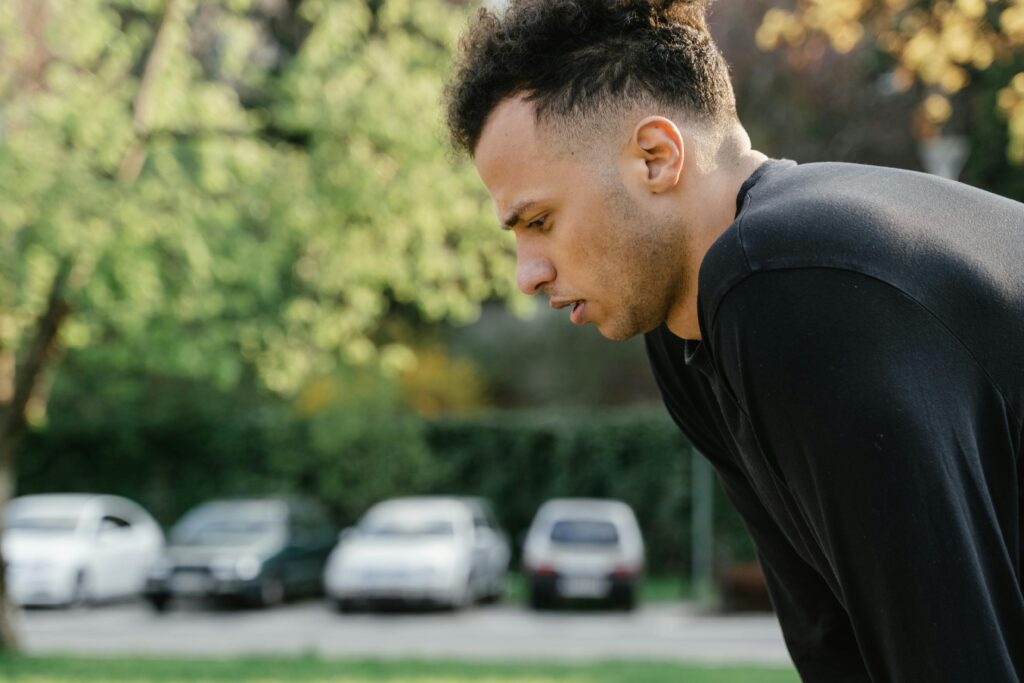
- Slows heart rate
- Reduces blood pressure
- Increases oxygen delivery
- Relaxes muscles
- Improves circulation
Mental Effects
- Calms racing thoughts
- Improves focus
- Reduces anxiety
- Enhances emotional control
Controlled breathing helps activate the parasympathetic nervous system, often called the “rest and digest” system.
Benefits of Relaxation and Breathing Techniques
These practices offer both short-term and long-term benefits.
1. Stress Reduction
One of the biggest benefits is lowering stress levels.
Deep breathing reduces cortisol, the body’s primary stress hormone.
This helps create feelings of calmness and emotional stability.
2. Better Sleep Quality
Relaxation techniques help quiet the mind before bedtime.
Controlled breathing slows brain activity and prepares the body for rest.
People who practice relaxation regularly often fall asleep faster and sleep more deeply.
3. Improved Focus and Concentration
Mental relaxation improves attention and productivity.
Breathing exercises increase oxygen flow to the brain, supporting cognitive performance.
4. Anxiety Management
Breathing techniques are commonly used to manage anxiety symptoms.
Slow breathing helps prevent panic responses and emotional overwhelm.
5. Improved Physical Health
Relaxation supports overall physical wellness.
Benefits may include:
- Lower blood pressure
- Reduced muscle tension
- Better digestion
- Improved immune function
Popular Relaxation and Breathing Techniques
There are many effective techniques suitable for beginners and experienced practitioners.
Deep Breathing Technique
Deep breathing is one of the simplest relaxation methods.
How It Works
- Inhale slowly through the nose
- Expand the lungs fully
- Exhale slowly through the mouth
Benefits
- Calms the nervous system
- Reduces tension
- Improves oxygen flow
This method is ideal for beginners.
Box Breathing Technique
Box breathing is widely used for stress control and mental focus.
Steps
- Inhale for 4 seconds
- Hold breath for 4 seconds
- Exhale for 4 seconds
- Hold again for 4 seconds
Repeat several times.
Benefits
- Improves concentration
- Reduces anxiety
- Creates emotional balance
Diaphragmatic Breathing
Also called belly breathing.
How It Works
Breathing deeply into the diaphragm instead of shallow chest breathing.
Benefits
- Reduces stress
- Improves lung efficiency
- Encourages full-body relaxation
This technique is often used in yoga and meditation.
Progressive Muscle Relaxation
This method combines breathing with muscle tension release.
Process
- Tighten muscle groups briefly
- Release slowly while breathing deeply
Benefits
- Reduces physical tension
- Improves body awareness
- Promotes calmness
Alternate Nostril Breathing
A traditional breathing exercise often used in yoga.
Steps
- Close one nostril while inhaling
- Switch nostrils during exhalation
Benefits
- Enhances focus
- Balances energy
- Promotes mental clarity
Mindfulness Meditation Breathing
Mindful breathing focuses attention on each breath.
Benefits
- Reduces overthinking
- Improves emotional awareness
- Encourages mental calmness
This technique is commonly used in meditation practices.
Relaxation Techniques for Daily Life
Simple relaxation habits can improve overall wellness.
Morning Relaxation Routine
Starting the day calmly improves productivity and mood.
Suggestions
- Deep breathing for 5 minutes
- Light stretching
- Quiet meditation
Workplace Stress Relief
Breathing exercises can reduce stress during busy workdays.
Quick Office Techniques
- Box breathing
- Shoulder relaxation
- Slow breathing breaks
Even short pauses can improve focus and energy.
Evening Wind-Down Routine
Relaxation before sleep improves sleep quality.
Helpful Practices
- Dim lighting
- Slow breathing
- Meditation music
- Progressive muscle relaxation
Relaxation and Breathing in Fitness and Sports
Athletes often use breathing techniques to improve performance.
Benefits for Physical Activity
- Better oxygen efficiency
- Improved endurance
- Faster recovery
- Reduced performance anxiety
Controlled breathing helps regulate physical energy.
The Role of Relaxation in Mental Health
Mental wellness is closely connected to relaxation.
Emotional Benefits
- Better emotional regulation
- Reduced irritability
- Increased self-awareness
- Improved resilience
Relaxation techniques support healthier emotional responses.
Creating a Relaxing Environment at Home
Environment affects relaxation quality.
Tips for a Calming Space
- Use soft lighting
- Reduce noise
- Add plants or natural elements
- Maintain clean spaces
- Use calming scents
A peaceful environment improves relaxation effectiveness.
Common Mistakes to Avoid
Proper technique improves results.
Breathing Too Fast
Slow breathing is essential for relaxation.
Forcing Deep Breaths
Breathing should feel natural and comfortable.
Inconsistent Practice
Regular practice provides the best benefits.
Distracting Environments
Choose calm spaces whenever possible.
Relaxation Techniques for Different Age Groups
Relaxation practices can benefit people of all ages.
Children and Teenagers
Simple breathing exercises help improve focus and emotional control.
Adults
Stress management and work-life balance improve with regular relaxation practice.
Older Adults
Relaxation may support better sleep, lower blood pressure, and emotional well-being.
Technology and Relaxation Practices
Modern technology is changing wellness routines.
Popular Wellness Tools
- Meditation apps
- Smart breathing devices
- Guided relaxation videos
- Sleep sound systems
Technology makes relaxation more accessible.
Future Trends in Relaxation and Breathing Techniques
Wellness trends continue evolving.
AI Wellness Coaching
Artificial intelligence may provide personalized breathing programs.
Virtual Reality Meditation
Immersive environments may improve relaxation experiences.
Smart Health Integration
Wearable devices can track stress and breathing patterns.
Digital Wellness Communities
Online mindfulness communities continue growing worldwide.
Are Relaxation and Breathing Techniques Worth Practicing?
Absolutely. These techniques are among the simplest and most effective wellness habits.
Key Benefits
- Reduces stress naturally
- Improves focus and sleep
- Supports emotional health
- Enhances physical wellness
Best of all, they are free and accessible to everyone.
Final Thoughts
Relaxation and breathing techniques are powerful tools for improving both mental and physical well-being. In a world filled with stress and constant distractions, learning how to slow down and breathe intentionally can create meaningful positive changes.
At Echoscibes, we believe wellness begins with simple daily habits that support balance and mindfulness. Relaxation practices help individuals feel calmer, healthier, and more connected to themselves.
Whether through deep breathing, meditation, progressive muscle relaxation, or mindful routines, these techniques offer practical ways to improve everyday life.
As wellness awareness continues growing, relaxation and breathing techniques will remain essential parts of healthy modern living.
By practicing regularly and creating a calm environment, anyone can experience the long-term benefits of relaxation and mindful breathing.
For more wellness guides, lifestyle inspiration, and healthy living tips, continue visiting Echoscibes.