Energy consumption is one of the most important concerns for modern households. With rising electricity costs, frequent power outages in some regions, and increasing environmental awareness, homeowners are actively searching for smarter and more reliable energy solutions. One of the most transformative innovations in this space is home energy storage systems.
Home energy storage systems allow households to store electricity for later use, typically generated from solar panels or the main power grid. These systems provide backup power during outages, reduce electricity bills, and promote energy independence. As smart home technology continues to evolve, energy storage has become a key component of modern sustainable living.
At Echoscibes, we focus on innovative smart home solutions that improve efficiency and lifestyle quality. In this comprehensive guide, we will explore what home energy storage systems are, how they work, their benefits, types, features, installation considerations, maintenance tips, and why they are becoming essential for future homes.
What Are Home Energy Storage Systems?
Home energy storage systems are advanced battery-based solutions that store electricity for residential use.
These systems capture energy from various sources such as:
- Solar panels
- Wind turbines
- Grid electricity during off-peak hours
The stored energy can then be used when needed, such as during power outages or peak electricity pricing periods.
Most systems consist of:
- Rechargeable battery units
- Inverters
- Energy management systems
- Smart monitoring apps
- Charging controllers
Together, these components create a reliable and efficient energy storage solution for homes.
How Home Energy Storage Systems Work
Home energy storage systems operate through a simple yet powerful process.
Energy Collection
Electricity is collected from solar panels or the main grid.
If solar panels are installed, excess energy produced during the day is stored instead of being wasted.
Energy Storage
The collected energy is stored in high-capacity batteries.
Modern systems often use lithium-ion batteries due to their efficiency and long lifespan.
Energy Distribution
When electricity is needed, the system supplies stored energy to the home.
This can happen automatically during outages or peak usage times.
Smart Energy Management
Advanced systems use software to optimize energy usage.
They decide when to store, use, or sell electricity back to the grid (in some regions).
Why Home Energy Storage Systems Are Becoming Popular
The demand for energy storage is increasing worldwide for several important reasons.
Rising Electricity Costs
Energy prices continue to increase globally.
Home energy storage helps reduce dependency on expensive peak-hour electricity.
Power Outages
Many regions experience frequent power interruptions.
Storage systems provide reliable backup power.
Renewable Energy Growth
Solar energy adoption is increasing rapidly.
Energy storage makes solar power more efficient and usable 24/7.
Environmental Awareness
People are becoming more conscious of carbon emissions.
Energy storage supports cleaner and greener energy consumption.
Energy Independence
Homeowners want greater control over their electricity usage.
Storage systems reduce reliance on the grid.
Benefits of Home Energy Storage Systems
Modern energy storage solutions offer numerous advantages.
1. Backup Power During Outages
One of the biggest benefits is uninterrupted power supply.
During outages, stored energy keeps essential appliances running.
This includes:
- Lights
- Refrigerators
- Internet routers
- Medical devices
Backup power improves comfort and safety.
2. Reduced Electricity Bills
Energy storage systems help reduce monthly utility costs.
Users can store electricity during off-peak hours when rates are lower.
Stored energy is then used during expensive peak hours.
This smart usage reduces overall energy expenses.
3. Better Use of Solar Energy
Solar panels often produce more energy than needed during the day.
Without storage, excess energy is wasted or sold back to the grid.
Home energy storage systems allow homeowners to store and use this energy later.
This increases solar system efficiency.
4. Energy Independence
Homeowners gain greater control over their energy usage.
Reduced reliance on utility companies improves stability and security.
Energy independence is especially valuable in remote areas.
5. Environmental Benefits
Energy storage systems support sustainable living.
Environmental Advantages
- Reduced fossil fuel dependency
- Lower carbon emissions
- Efficient renewable energy usage
- Reduced energy waste
Green energy systems contribute to a cleaner environment.
Types of Home Energy Storage Systems
Different systems are available based on household needs.
Lithium-Ion Battery Systems
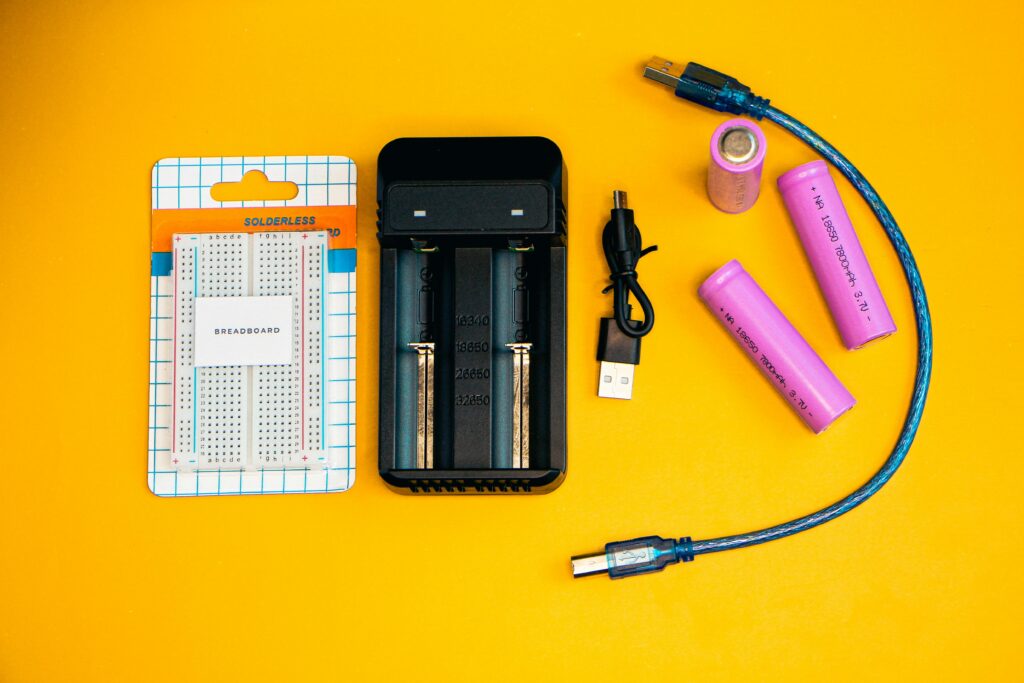
These are the most commonly used storage systems today.
Features
- High efficiency
- Long lifespan
- Fast charging
- Compact design
They are widely used in modern smart homes.
Lead-Acid Battery Systems
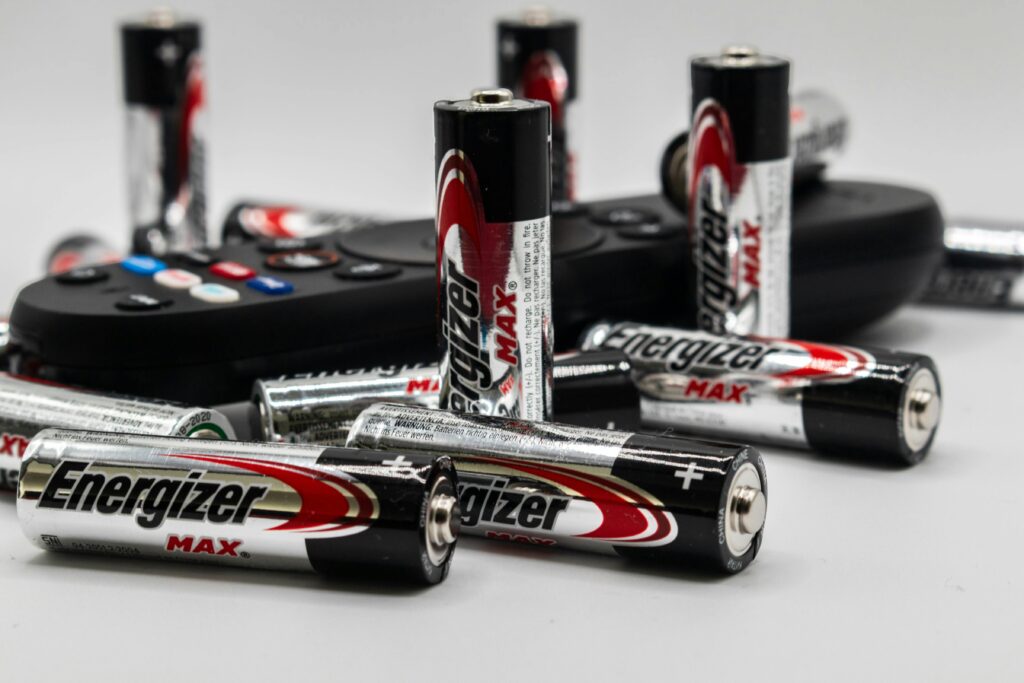
Older but still used in some applications.
Features
- Lower cost
- Reliable performance
- Heavier design
They are less efficient compared to lithium-ion systems.
Solar Battery Storage Systems
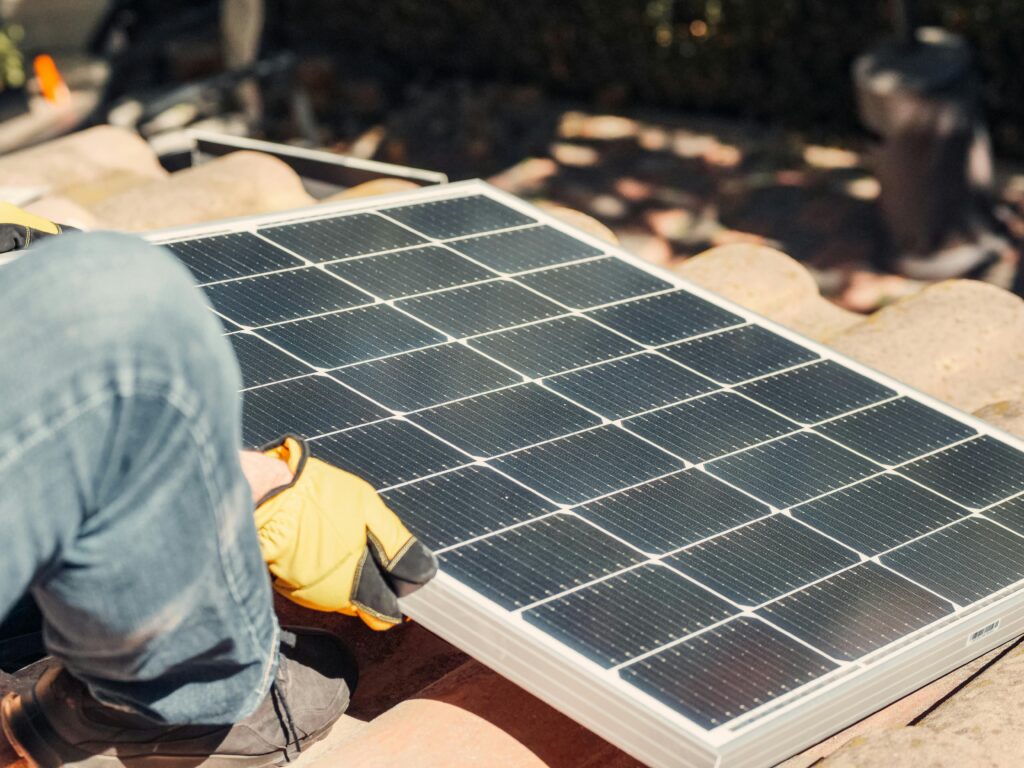
These systems are directly connected to solar panels.
Benefits
- Store solar energy
- Reduce grid dependency
- Maximize renewable energy usage
They are ideal for eco-friendly homes.
Hybrid Energy Systems
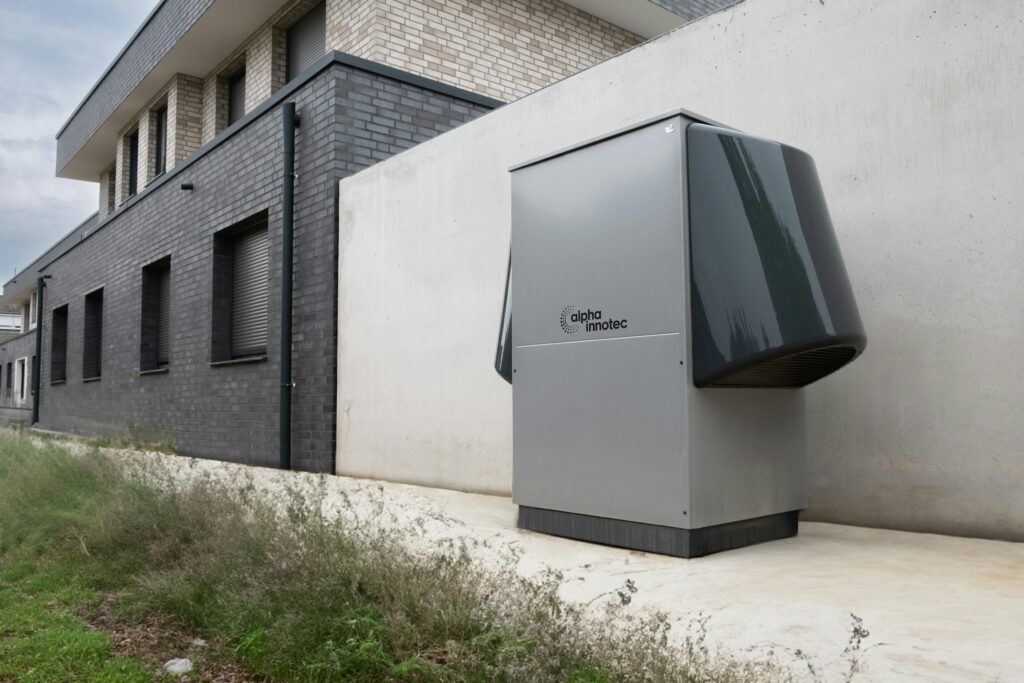
Hybrid systems combine solar, grid, and battery storage.
Advantages
- Flexible energy management
- Smart switching between sources
- Higher reliability
They are suitable for advanced smart homes.
Key Features to Look for in Home Energy Storage Systems
Choosing the right system depends on several important factors.
Storage Capacity
Battery capacity determines how much energy can be stored.
Larger homes require higher capacity systems.
Battery Lifespan
Long-lasting batteries reduce replacement costs.
Lithium-ion batteries typically offer the best durability.
Efficiency Rating
Higher efficiency means less energy loss during storage and usage.
Efficient systems provide better long-term savings.
Smart Monitoring Systems
Modern energy systems include mobile apps.
Features
- Energy usage tracking
- Battery status monitoring
- Usage optimization
- Remote control
Smart monitoring improves energy management.
Charging Speed
Faster charging ensures quick energy availability.
This is important during unpredictable power outages.
Scalability
Some systems allow additional batteries to be added later.
This is useful for growing energy needs.
Installation Considerations
Proper installation is essential for safety and performance.
Professional Installation
Most systems require certified technicians.
Proper wiring and setup ensure efficiency and safety.
Location Selection
Batteries should be installed in:
- Cool environments
- Dry areas
- Well-ventilated spaces
Avoid exposure to extreme temperatures.
Compatibility
Ensure the system works with existing solar panels or electrical systems.
Maintenance Tips for Home Energy Storage Systems
Proper care ensures long-term performance.
Monitor Battery Health
Regular checks help maintain efficiency.
Keep Systems Clean
Dust-free environments improve performance.
Update Software
Smart systems require firmware updates for optimization.
Inspect Connections
Loose wiring can affect performance and safety.
Avoid Overcharging
Modern systems manage this automatically, but monitoring is still important.
Home Energy Storage Systems vs Traditional Generators
Both systems provide backup power, but they differ significantly.
Traditional Generators
- Use fuel
- Produce noise
- Require maintenance
- Emit pollution
Energy Storage Systems
- Silent operation
- Eco-friendly
- Low maintenance
- Automated operation
Energy storage systems are more suitable for modern smart homes.
Smart Home Integration
Energy storage systems can connect with smart home ecosystems.
Integration Features
- Smart energy management
- Automated appliance control
- Real-time monitoring
- Voice assistant compatibility
Integration improves convenience and efficiency.
Common Mistakes to Avoid
Proper usage ensures system longevity.
Choosing the Wrong Capacity
Undersized systems may not meet energy needs.
Ignoring Maintenance
Regular checks are necessary for performance.
Poor Installation
Incorrect setup can reduce efficiency.
Overloading the System
Always follow manufacturer guidelines.
Neglecting Software Updates
Updates improve safety and functionality.
Future Trends in Home Energy Storage Systems
Energy storage technology is rapidly evolving.
Artificial Intelligence Optimization
AI will help manage energy usage more efficiently.
Faster Charging Technologies
Future batteries will charge much quicker.
Smaller and More Powerful Batteries
Advanced materials will improve storage density.
Vehicle-to-Home Energy Systems
Electric vehicles may supply power to homes.
Fully Renewable Smart Homes
Future homes may rely entirely on renewable energy systems.
Are Home Energy Storage Systems Worth It?
For many homeowners, these systems are a valuable investment.
Key Reasons
- Lower electricity bills
- Reliable backup power
- Energy independence
- Environmental benefits
- Smart home compatibility
Although initial costs can be high, long-term savings and benefits often outweigh them.
Final Thoughts
Home energy storage systems represent a major step forward in modern energy management. By storing electricity efficiently and intelligently, these systems provide backup power, reduce costs, and support sustainable living.
At Echoscibes, we believe smart energy solutions are essential for the future of home living. Energy storage systems empower homeowners with greater control, efficiency, and reliability.
Whether paired with solar panels or used for backup power, these systems offer a smarter way to manage electricity in today’s world.
As technology continues to evolve, home energy storage systems will become more affordable, efficient, and widely adopted.
By choosing the right system and maintaining it properly, homeowners can enjoy energy independence, cost savings, and a more sustainable lifestyle for years to come.
For more smart home, energy innovation, and modern living insights, continue visiting Echoscibes.