As environmental awareness continues to grow, more homeowners are embracing sustainable home design to reduce their environmental impact while creating healthier and more energy-efficient living spaces. Sustainable homes are designed to conserve resources, minimize waste, and improve long-term comfort without sacrificing style or functionality.
Modern sustainable home design combines smart architecture, eco-friendly materials, energy efficiency, and environmentally responsible practices to create homes that are both beautiful and practical. Whether you are building a new house or upgrading your existing property, adopting sustainable design principles can lower utility bills, improve indoor air quality, and increase property value.
At Echoscibes, we believe that sustainable living is not just a trend but a smart investment for the future. In this complete guide, we will explore the best sustainable home design ideas, benefits, features, and practical tips to help you create a greener and healthier home.
What Is Sustainable Home Design?
Sustainable home design focuses on creating environmentally responsible living spaces that efficiently use energy, water, and building materials.
The goal is to reduce negative environmental impact while improving comfort and functionality.
Sustainable homes often include:
- Energy-efficient systems
- Eco-friendly construction materials
- Natural lighting and ventilation
- Water conservation solutions
- Renewable energy sources
- Waste reduction practices
A sustainable home supports healthier living while protecting natural resources.
Why Sustainable Home Design Matters
Traditional homes often consume large amounts of energy and generate significant waste. Sustainable design addresses these issues by promoting efficiency and environmental responsibility.
Environmental Benefits
Sustainable homes reduce:
- Carbon emissions
- Energy consumption
- Water waste
- Construction waste
- Air pollution
Financial Benefits
Eco-friendly homes can lower:
- Electricity bills
- Water bills
- Maintenance costs
- Long-term repair expenses
Health Benefits
Sustainable homes improve:
- Indoor air quality
- Natural lighting
- Ventilation
- Overall comfort
Sustainable living benefits both homeowners and the environment.
Key Principles of Sustainable Home Design
Successful sustainable homes are built around several important principles.
1. Energy Efficiency
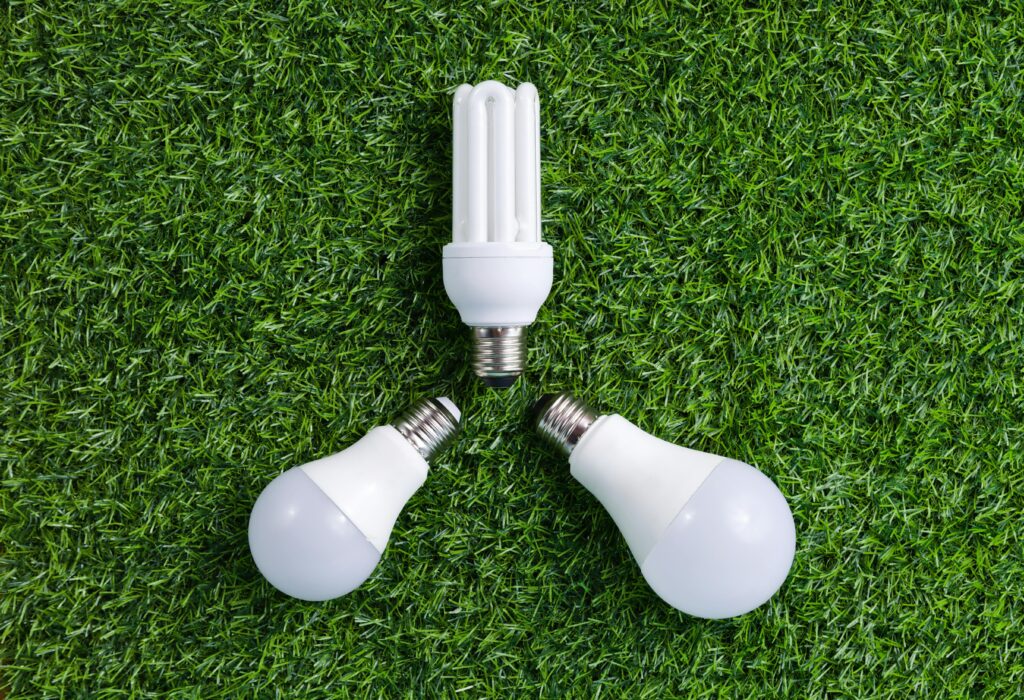
Energy efficiency is one of the most important aspects of sustainable home design.
Ways to Improve Energy Efficiency
- Install LED lighting
- Use energy-efficient appliances
- Add proper insulation
- Upgrade windows and doors
- Use smart thermostats
- Seal air leaks
Reducing energy use lowers utility bills and decreases environmental impact.
Energy-efficient homes also maintain more comfortable indoor temperatures.
2. Natural Lighting
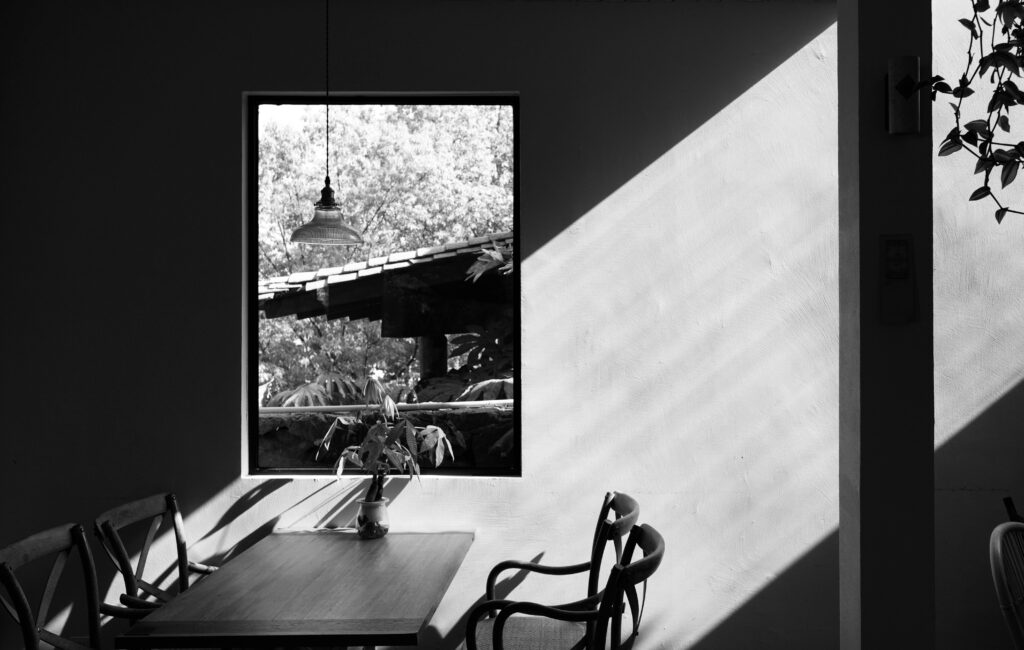
Maximizing natural light reduces the need for artificial lighting during the day.
Benefits of Natural Light
- Reduces electricity usage
- Improves mood and productivity
- Enhances interior aesthetics
- Creates healthier living environments
Large windows, skylights, and open layouts help increase sunlight indoors.
Strategic window placement also improves passive heating during colder seasons.
3. Proper Ventilation
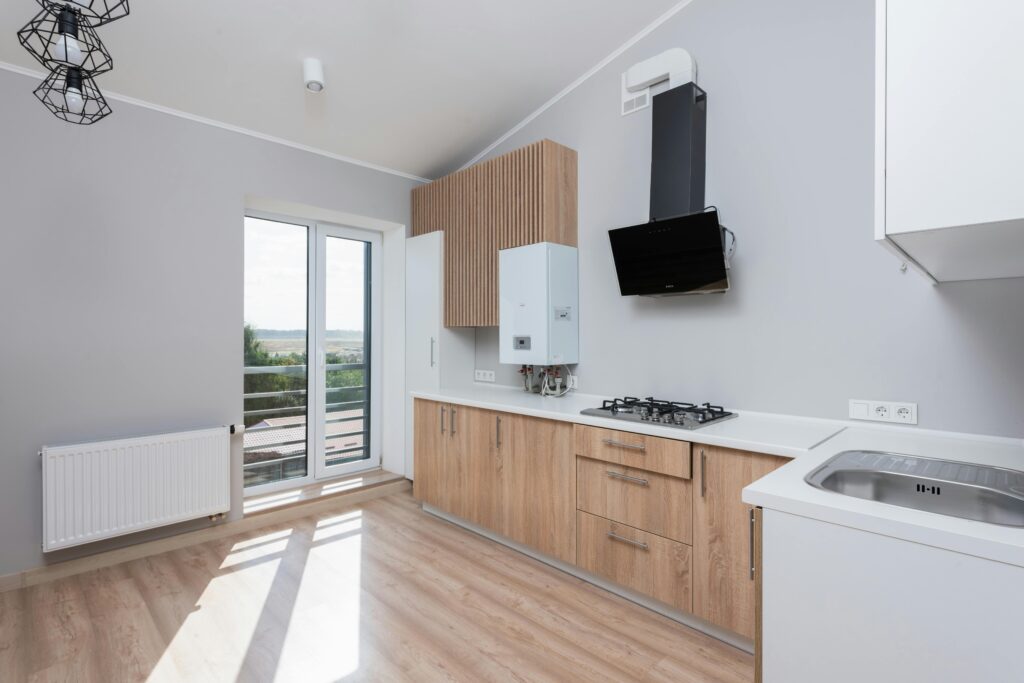
Good ventilation improves indoor air quality and reduces moisture buildup.
Sustainable Ventilation Ideas
- Cross-ventilation through windows
- Ceiling fans
- Ventilated roofing systems
- Energy recovery ventilators
Proper airflow reduces reliance on air conditioning.
Fresh indoor air creates healthier and more comfortable spaces.
4. Eco-Friendly Building Materials
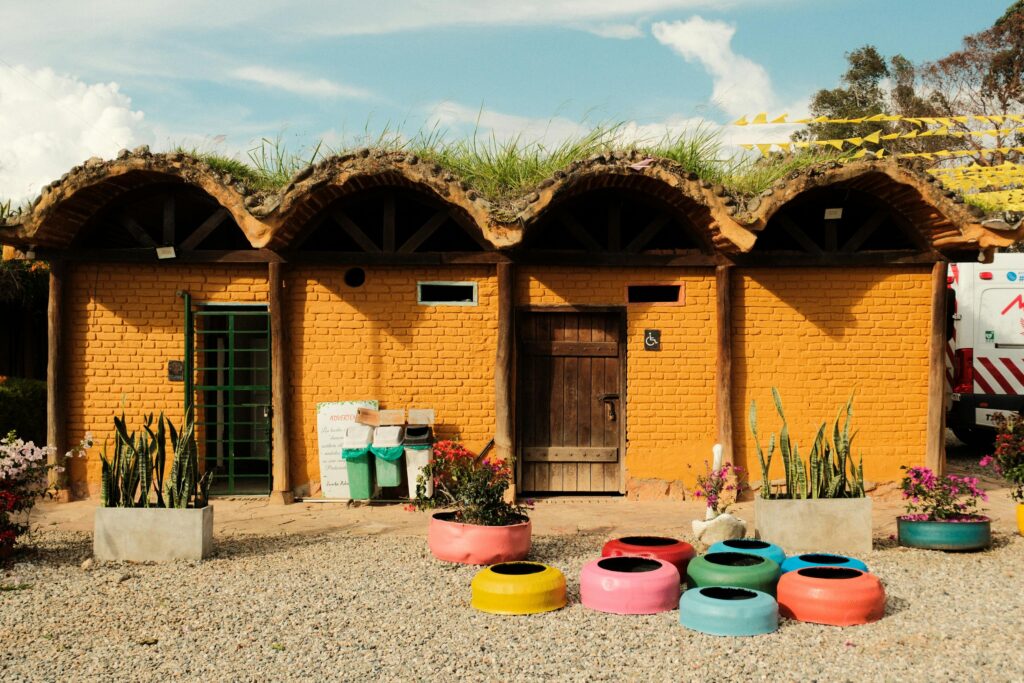
Choosing sustainable materials helps reduce environmental damage.
Popular Sustainable Materials
- Bamboo
- Reclaimed wood
- Recycled steel
- Cork flooring
- Recycled glass
- Natural stone
Eco-friendly materials are often durable, renewable, and recyclable.
Using local materials can also reduce transportation emissions.
5. Water Conservation
Sustainable homes focus on reducing water waste.
Water-Saving Features
- Low-flow faucets
- Dual-flush toilets
- Rainwater harvesting systems
- Water-efficient appliances
- Drip irrigation systems
Water conservation reduces utility costs and protects valuable resources.
Rainwater collection systems are especially useful for garden irrigation.
6. Renewable Energy Sources
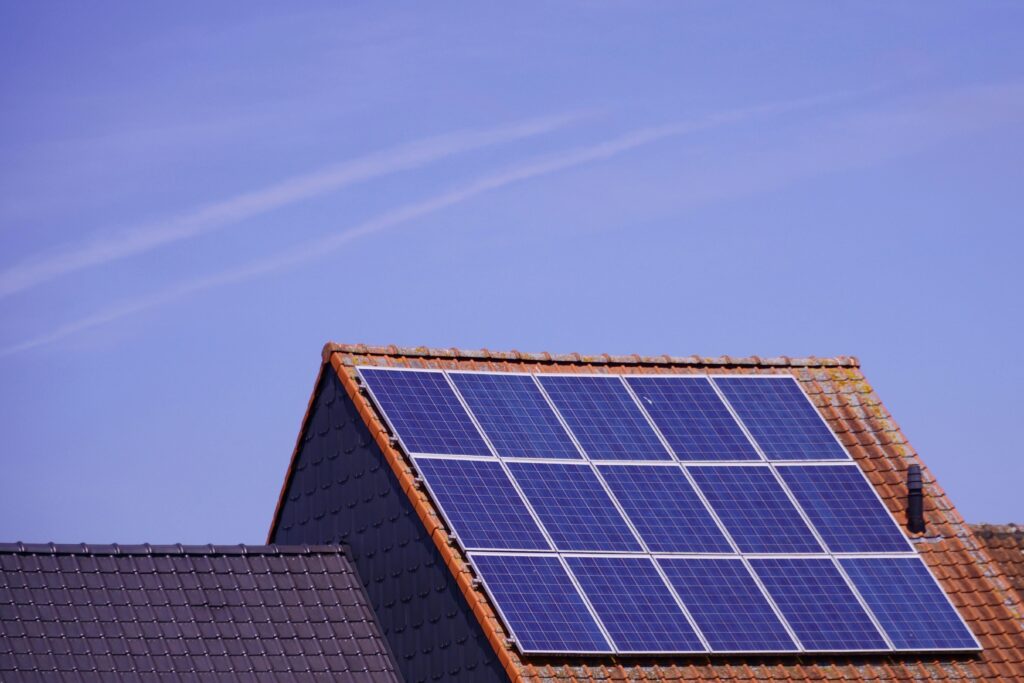
Renewable energy plays a major role in sustainable living.
Common Renewable Energy Options
- Solar panels
- Solar water heaters
- Wind turbines
- Geothermal heating systems
Solar energy is one of the most popular choices for homeowners.
Renewable energy systems can significantly reduce electricity dependence.
Sustainable Home Design Ideas
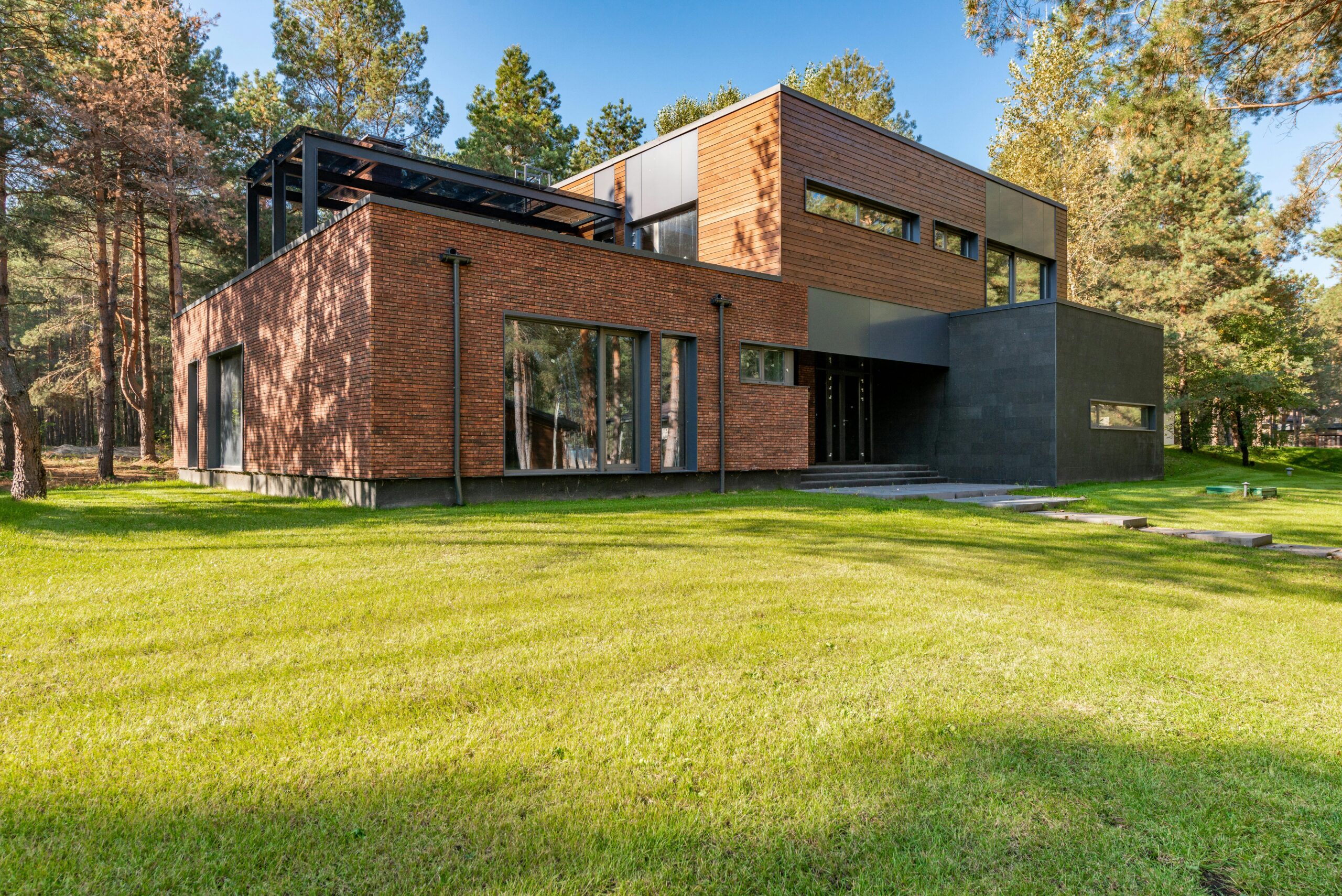
Modern sustainable homes combine functionality with environmental responsibility.
Open Floor Plans
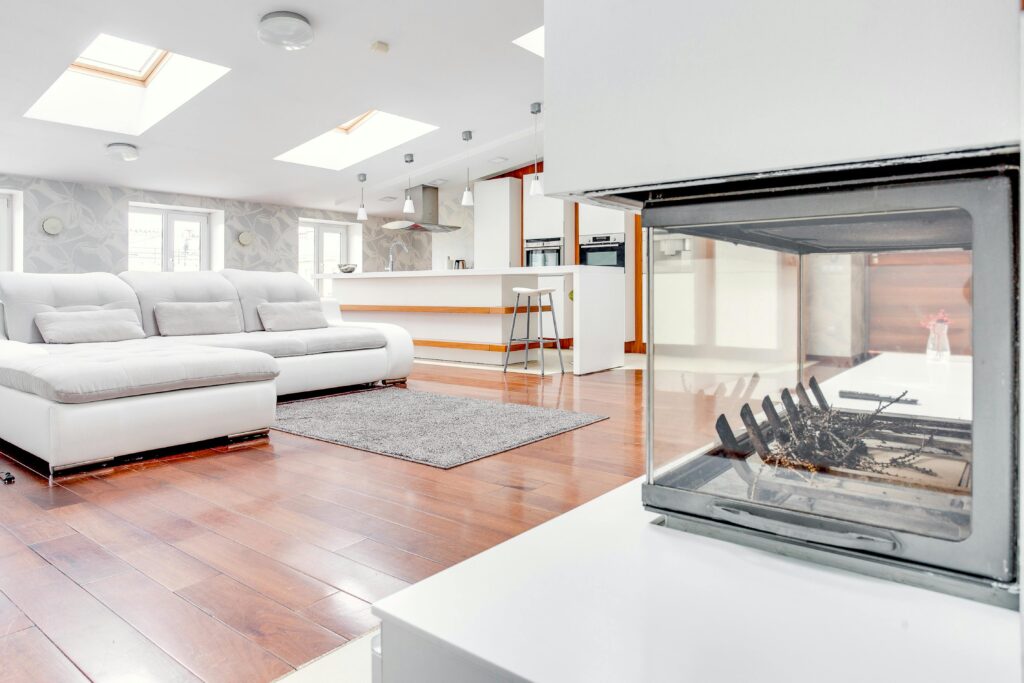
Open layouts improve natural airflow and lighting.
Benefits include:
- Better energy efficiency
- Spacious appearance
- Improved social interaction
- Flexible furniture arrangements
Open spaces also reduce the need for excessive artificial lighting.
Green Roofs and Living Walls
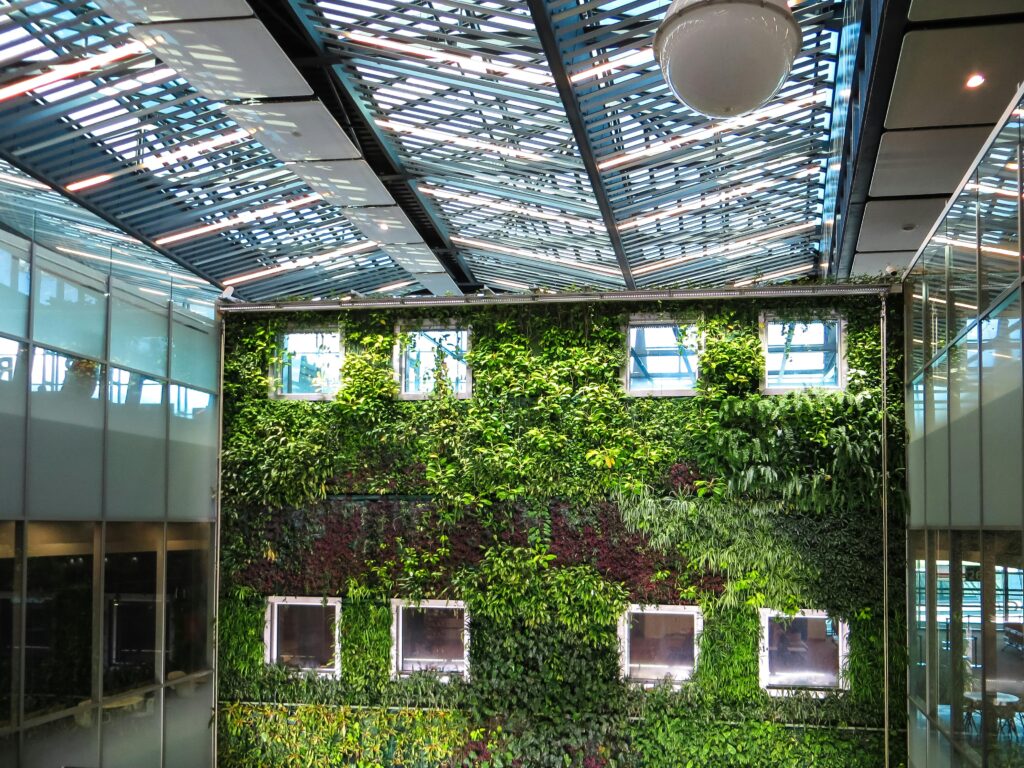
Green roofs and vertical gardens improve insulation and air quality.
Advantages of Green Roofs
- Reduce heat absorption
- Improve stormwater management
- Enhance insulation
- Add greenery to urban spaces
Living walls create beautiful natural interiors and outdoor designs.
These features support biodiversity and improve aesthetics.
Smart Home Technology
Technology helps improve home efficiency.
Smart Sustainable Features
- Smart lighting systems
- Automated thermostats
- Motion sensor lights
- Smart irrigation systems
- Energy monitoring devices
Smart systems optimize energy and water usage automatically.
They also provide greater convenience for homeowners.
Sustainable Kitchen Design
Kitchens consume significant amounts of energy and water.
Eco-Friendly Kitchen Ideas
- Energy-efficient appliances
- Recycled countertops
- LED lighting
- Composting systems
- Water-saving faucets
Sustainable kitchens combine efficiency with modern aesthetics.
Natural materials such as wood and stone are popular choices.
Eco-Friendly Bathroom Design
Bathrooms are another important area for sustainable improvements.
Sustainable Bathroom Features
- Low-flow showerheads
- Water-saving toilets
- Recycled tiles
- Natural ventilation
- Energy-efficient lighting
Water-efficient bathrooms help reduce monthly utility costs.
Moisture-resistant sustainable materials also improve durability.
Sustainable Landscaping Ideas
Outdoor areas are an important part of sustainable home design.
Eco-Friendly Landscaping Tips
- Use native plants
- Install drip irrigation
- Plant shade trees
- Use permeable paving
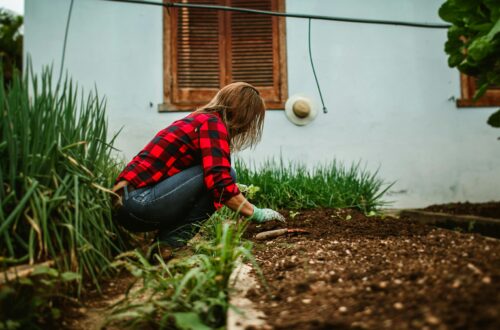
- Create compost areas
Sustainable landscaping reduces water use and supports local ecosystems.
Native plants typically require less maintenance and irrigation.
Benefits of Sustainable Home Design
Sustainable homes offer long-term advantages for homeowners and the environment.
Lower Utility Bills
Energy-efficient systems reduce electricity and water costs.
Increased Property Value
Eco-friendly homes are increasingly attractive to buyers.
Better Indoor Comfort
Sustainable homes maintain stable temperatures and cleaner air.
Reduced Environmental Impact
Lower energy use and waste help protect natural resources.
Long-Term Durability
Many sustainable materials last longer and require less maintenance.
Investing in sustainability provides financial and environmental rewards.
Small Changes for a More Sustainable Home
You do not need to completely rebuild your house to live sustainably.
Easy Sustainable Upgrades
- Replace traditional bulbs with LEDs
- Use reusable household items
- Install water-saving fixtures
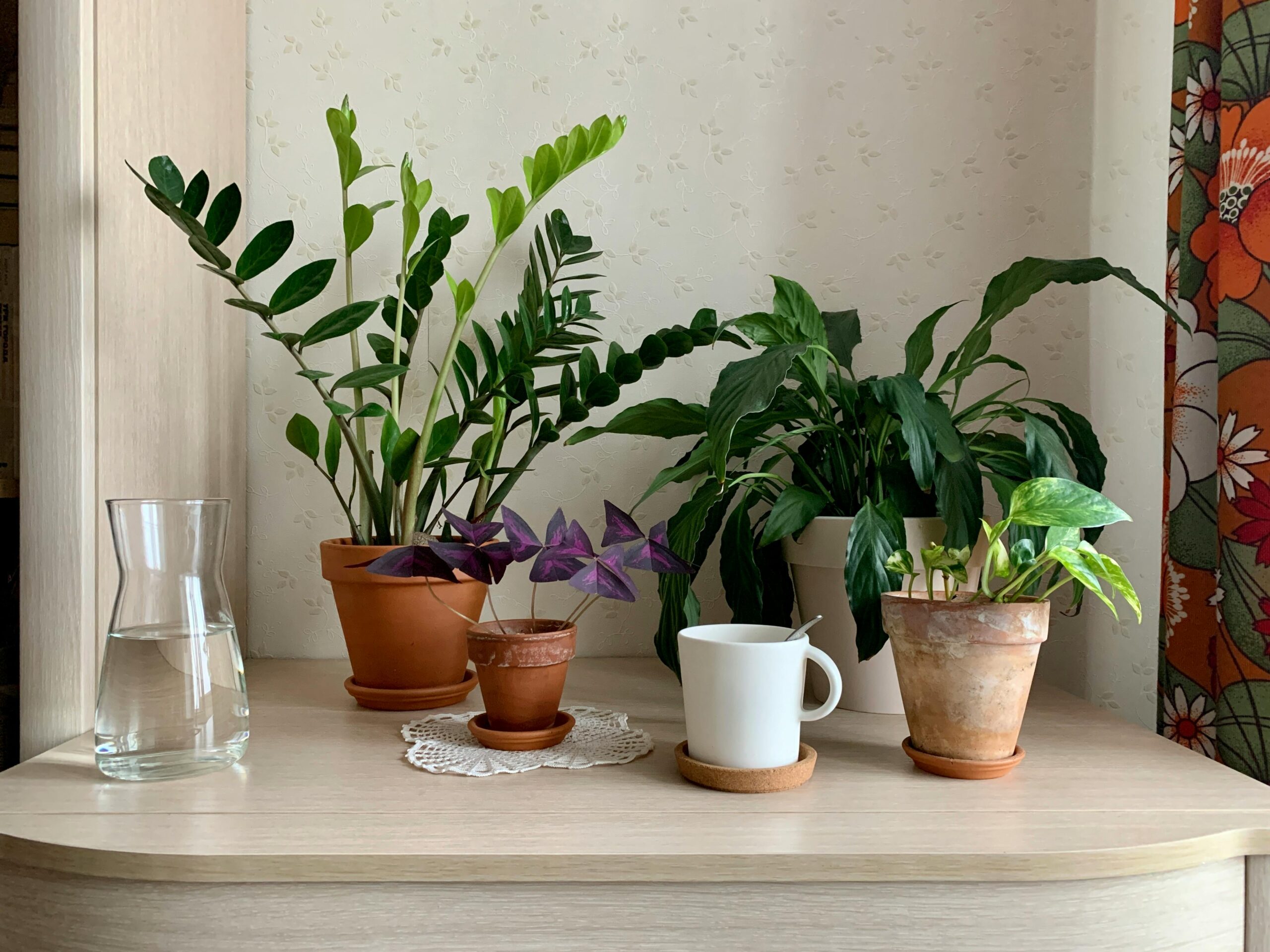
- Add indoor plants
- Improve insulation
- Use eco-friendly cleaning products
Small changes can make a noticeable difference over time.
Every sustainable step contributes to a healthier environment.
Common Sustainable Home Design Mistakes to Avoid
Proper planning is important for successful sustainable living.
Ignoring Climate Conditions
Homes should be designed according to local weather patterns.
Prioritizing Style Over Efficiency
A beautiful home should still function efficiently.
Using Poor-Quality Materials
Cheap materials may require frequent replacement.
Lack of Proper Insulation
Poor insulation increases energy consumption.
Overlooking Maintenance Requirements
Some sustainable systems require regular maintenance for optimal performance.
Avoiding these mistakes improves long-term efficiency and comfort.
Budget-Friendly Sustainable Home Design Tips
Sustainability does not always require expensive investments.
Affordable Eco-Friendly Ideas
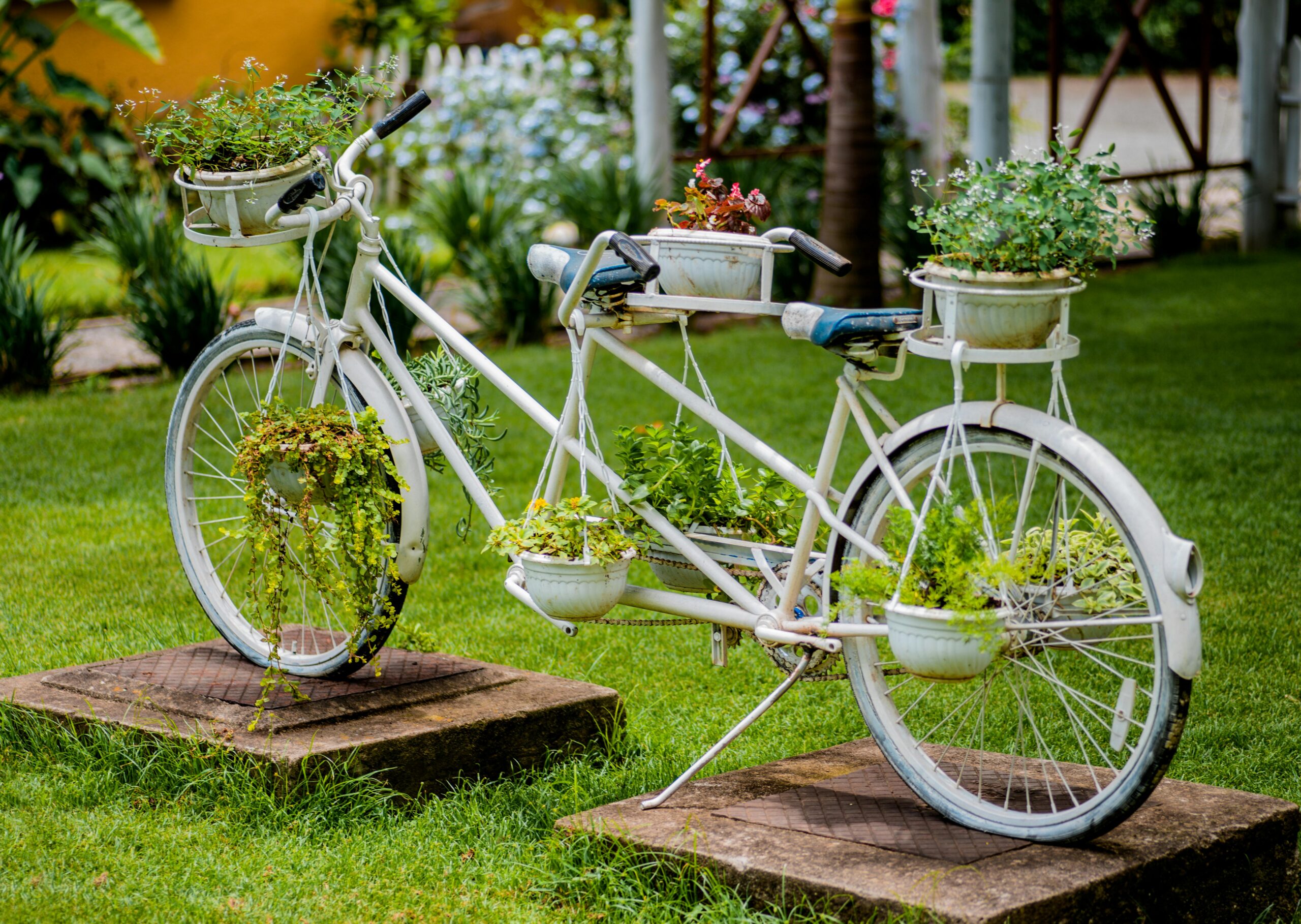
- Buy second-hand furniture
- Use reclaimed wood
- Install weather stripping
- Start composting
- Use energy-efficient curtains
- Plant shade trees
Gradual upgrades can still significantly improve sustainability.
Many eco-friendly improvements eventually pay for themselves through lower bills.
The Future of Sustainable Home Design
Sustainable living continues to evolve with modern technology and innovation.
Emerging Trends
- Net-zero energy homes
- Smart energy grids
- Advanced solar technology
- Eco-friendly modular homes
- Sustainable urban communities
Future homes will focus even more on energy independence and environmental protection.
Technology will continue making sustainable living more accessible.
Creating a Healthier Home Environment
Sustainable homes support healthier lifestyles.
Healthy Living Features
- Non-toxic materials
- Improved ventilation
- Natural lighting
- Indoor greenery
- Reduced chemical exposure
A healthier indoor environment improves both physical and mental well-being.
Comfort and sustainability work together in modern home design.
Sustainable Interior Design Ideas
Interior design also plays a major role in sustainability.
Eco-Friendly Interior Design Tips
- Choose durable furniture
- Use organic fabrics
- Decorate with indoor plants
- Select natural color palettes
- Reduce unnecessary clutter
Minimalist designs often support more sustainable lifestyles.
Sustainable interiors focus on quality over excess.
Final Thoughts
Sustainable home design is one of the smartest investments homeowners can make for both the environment and long-term quality of life. By combining energy efficiency, eco-friendly materials, water conservation, and smart technology, sustainable homes create healthier and more comfortable living spaces.
At Echoscibes, we believe sustainable living should be practical, stylish, and achievable for everyone. Whether you start with small eco-friendly upgrades or design an entirely green home, every effort contributes to a more sustainable future.
From natural lighting and renewable energy to eco-friendly landscaping and smart home systems, sustainable home design offers countless benefits for modern homeowners.
Creating a greener home not only lowers costs and improves comfort but also helps protect the planet for future generations.
By making thoughtful choices today, you can enjoy a beautiful, energy-efficient, and environmentally responsible home for years to come.
For more home improvement, eco-friendly living, and lifestyle inspiration, continue visiting Echoscibes.